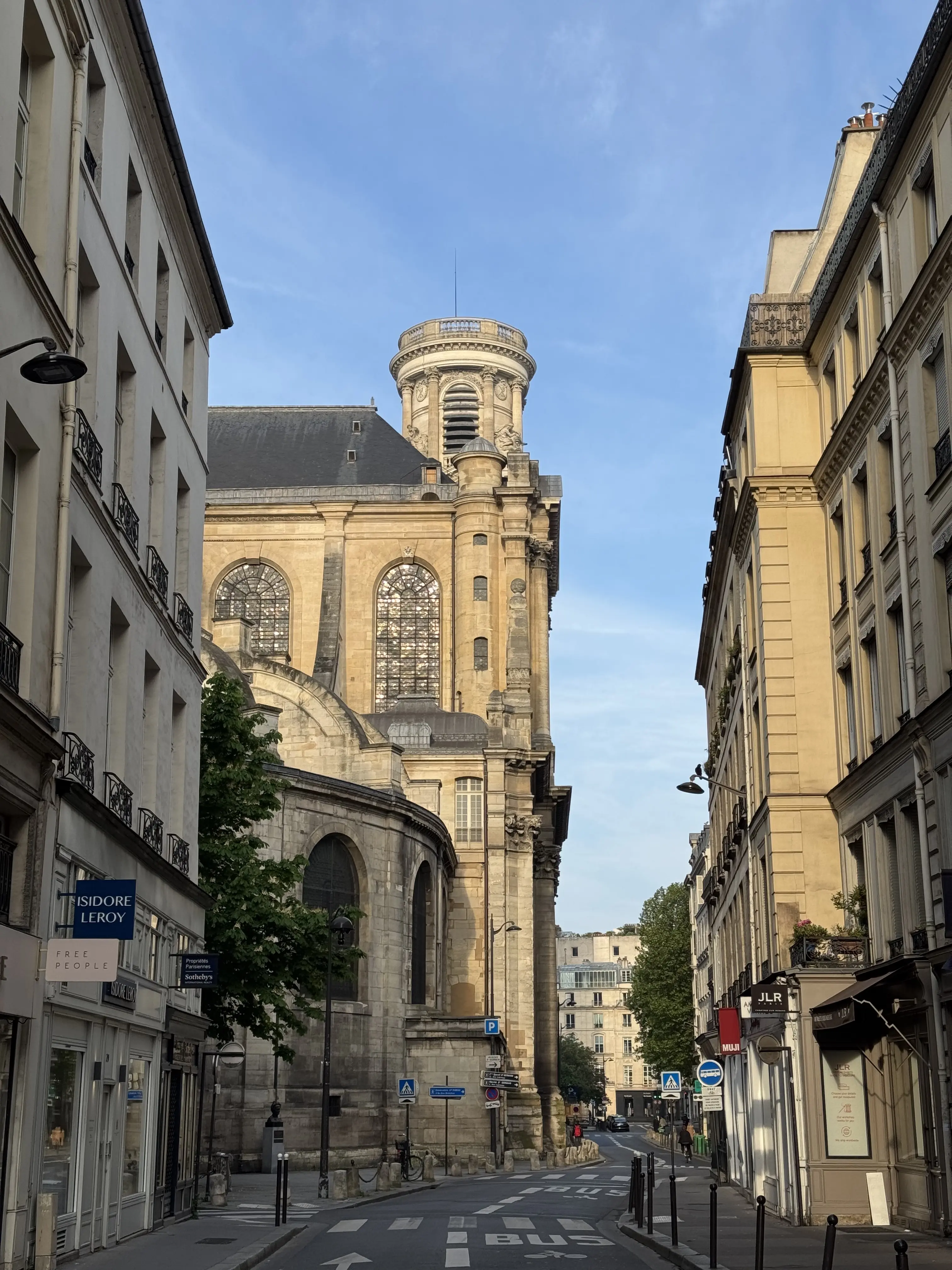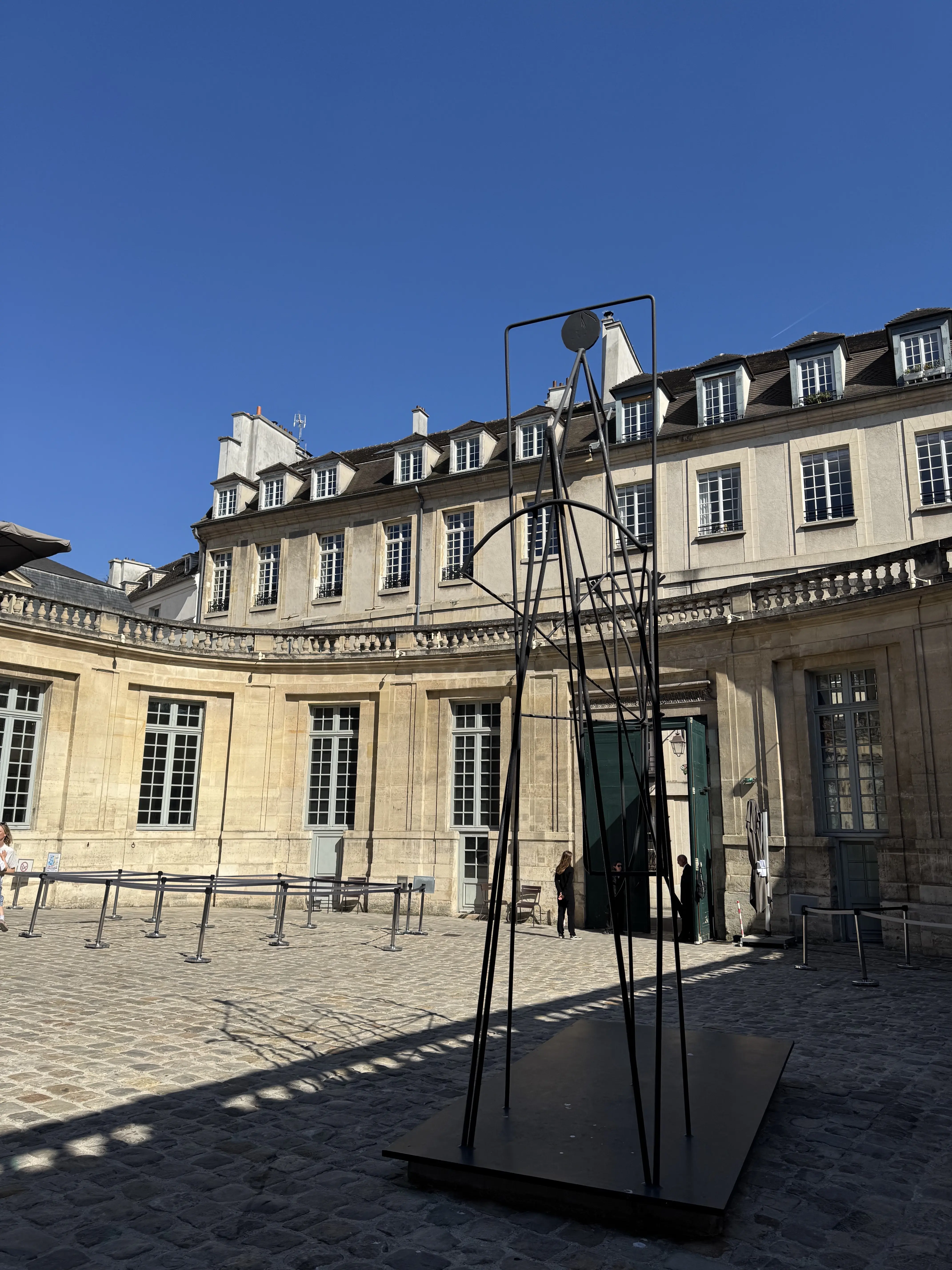
Paris Art Week, or the Art of Never Looking Like You’re Trying.
How the city perfects cultural dominance by pretending nothing special is happening
Paris doesn’t host an art week. It tolerates one; then quietly reminds visitors what cultural gravitas actually looks like. Every October, the city performs its favorite trick: pretending nothing is happening while everything is happening. There are no screaming banners, no desperate lunges at virality. Paris Art Week unfolds less like an event than like a collective mood shift, one seasoned insiders recognize instantly and newcomers only fully understand once they’ve missed something important.
This is a city with no interest in competing with spectacle-driven art capitals, because it doesn’t have to. Paris doesn’t do “must-sees”; it does inevitability. Exhibitions appear fully formed, as if they’ve always been there. Galleries don’t shout; they assume you’ll show up. Institutions don’t posture; they program with the quiet authority of places that know history is on their side. The result is a week that feels intellectually dense.
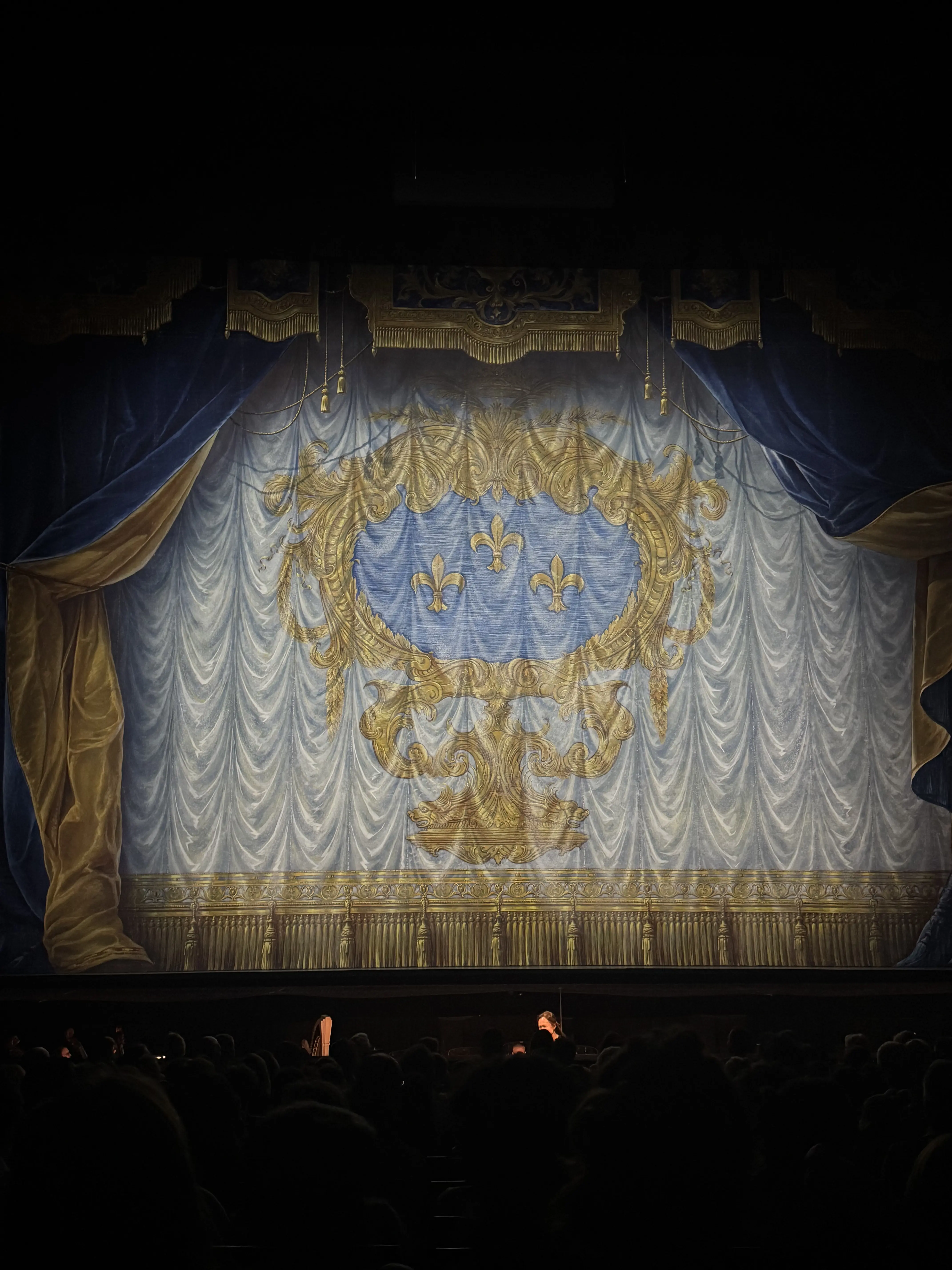
The choreography is subtle and unforgiving. You’re meant to walk. You’re meant to be late. You’re meant to hear about a show you didn’t know existed. The real calendar lives in conversations, not inboxes. A collector’s dinner matters more than a VIP preview. Paris Art Week is also where hierarchies reveal themselves not loudly, but unmistakably. Who gets invited to what. Who pretends they’re not selling. Who says they’re “just looking” while negotiating discreetly in the background. Unlike more transactional art weeks, Paris still allows for ambiguity. Deals happen, but rarely feel like deals. Taste is performed, not declared. Status is implied, never announced.
This is precisely why Art Basel Paris has something Basel itself no longer quite does. In Switzerland, the fair is the city. In Paris, the fair is absorbed into a broader ecosystem of institutions, histories, dinners, rivalries, and distractions. Basel delivers clarity; Paris delivers context. You don’t leave with a checklist completed, you leave with a thesis forming. The satellite fairs are where Paris shows its range. Paris Internationale remains the most convincing barometer of emerging relevance: rigorous without being doctrinaire, international without being generic, and socially calibrated to perfection. AKAA continues to anchor the week with a necessary recalibration of geography and discourse, while Asia NOW offers a sharper, more conceptually confident take on diasporic and transnational practices. The arrival of Ceramic Art Fair Paris signals something else entirely: material intelligence is back, and it’s being taken seriously again.
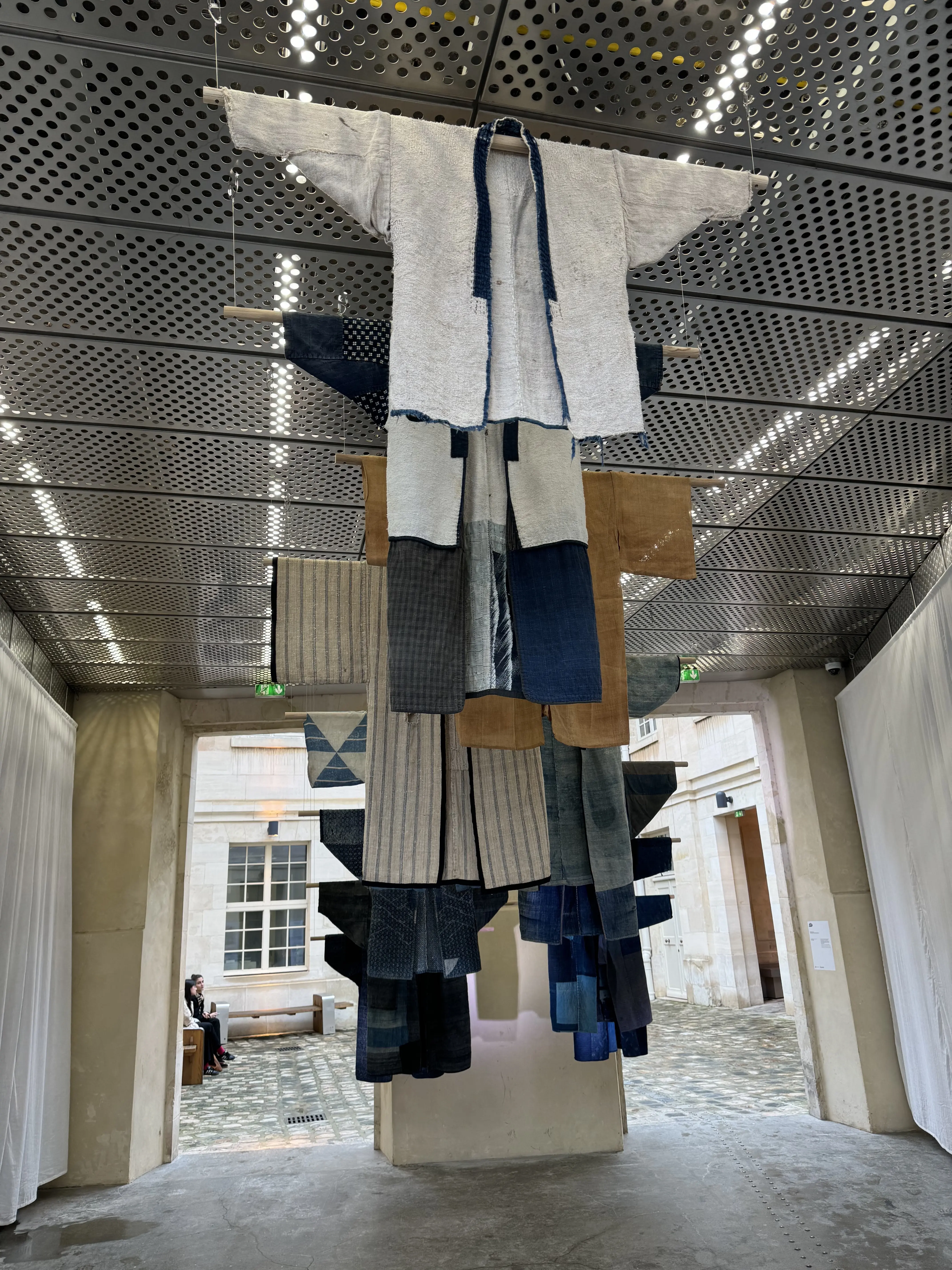
Beyond the fairs, the institutions quietly raise the stakes. The Fondation Louis Vuitton, Centre Pompidou, Palais de Tokyo, Musée d’Art Moderne de Paris, Bourse de Commerce, and the Foundation Cartier don’t synchronize their programming for visitors, but the overlap is deliberate enough to feel pointed. Major exhibitions unfold with institutional confidence, privileging depth over spectacle and reminding everyone that museums here don’t need fairs to validate them. Galleries, of course, are paying close attention: booths subtly echo museum narratives and artists are positioned in dialogue with institutional shows.
Paris Art Week is not about seeing everything. It’s about seeing just enough to sharpen your eye, confirm your instincts, and leave slightly dissatisfied. And in a global art world addicted to noise, that editorial restraint may be its most radical gesture.