R1Karaköy Lokantası
Food & Drinks
Kemankeş Mahallesi, Kemankeş Cd. No:57, 34425 Beyoğlu/İstanbul, Türkiye
The Istanbul Biennial is one of the world's most politically charged and intellectually ambitious contemporary art biennials, held every two years in the city at the crossroads of Europe and Asia. Founded in 1987 by the Istanbul Foundation for Culture and Arts (İKSV), the biennial has consistently engaged with the specific tensions and possibilities of its h...
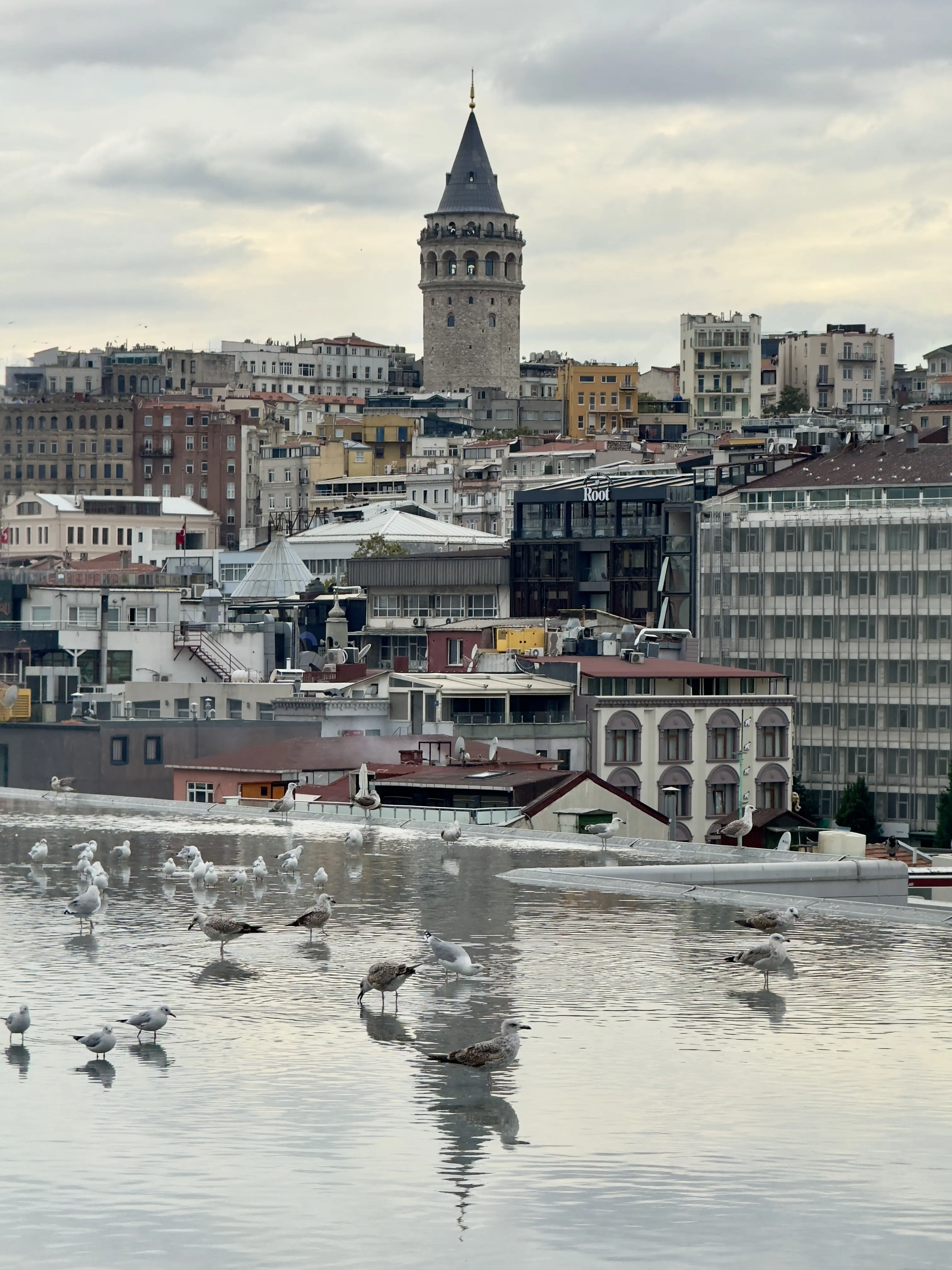
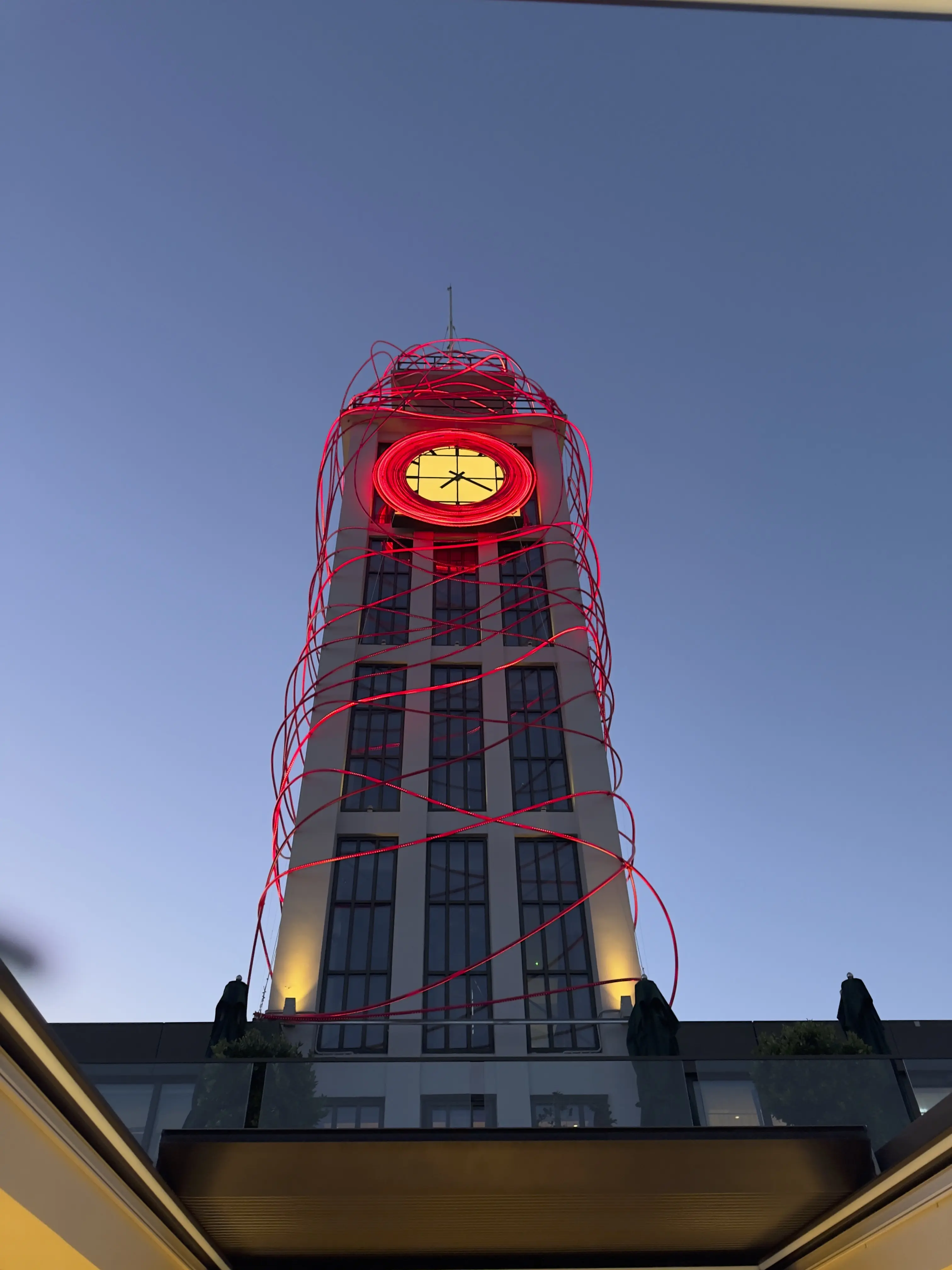
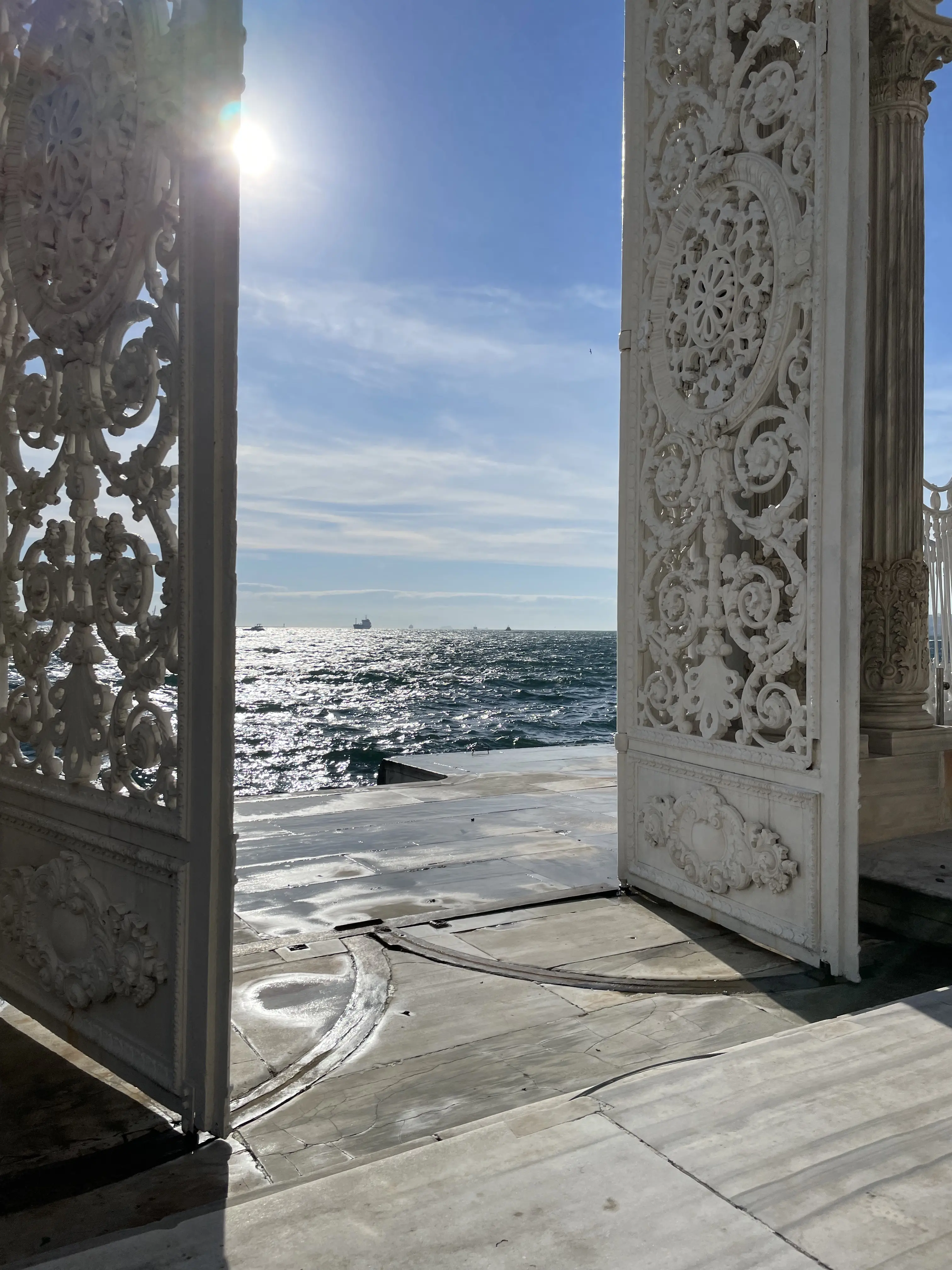
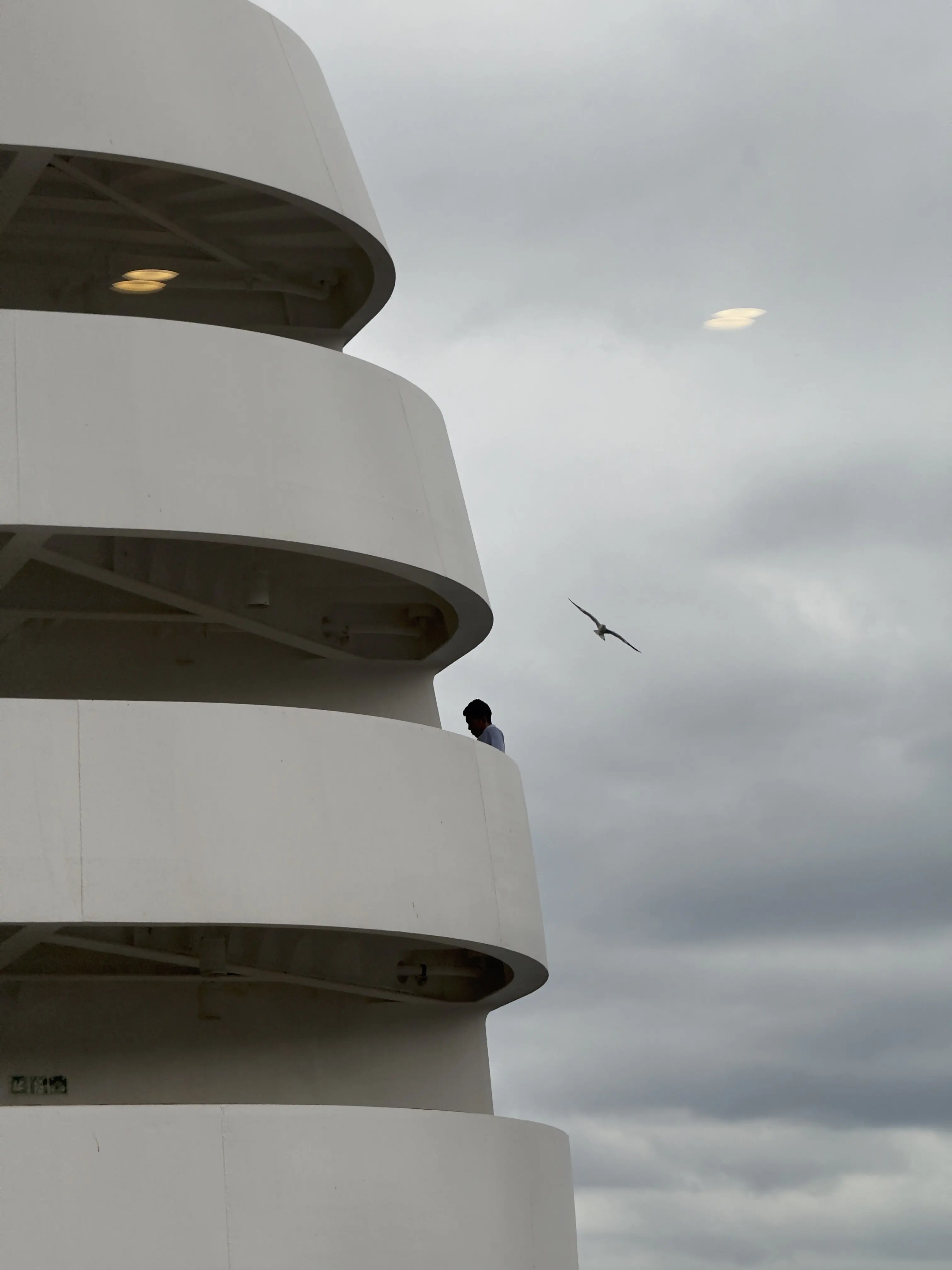
The Istanbul Biennial is one of the world's most politically charged and intellectually ambitious contemporary art biennials, held every two years in the city at the crossroads of Europe and Asia. Founded in 1987 by the Istanbul Foundation for Culture and Arts (İKSV), the biennial has consistently engaged with the specific tensions and possibilities of its host city—its layered histories, its contested geographies, its position between civilisations—in ways that set it apart from the more institutionally stable biennials of the West. It unfolds across historic and industrial spaces in a manner that makes Istanbul itself the primary exhibition context.
Each edition appoints an international curatorial team charged with developing a distinct thematic framework, typically reflecting the political and cultural anxieties of the moment. The biennial spreads across a range of Istanbul venues—from the former shipyards of Tersane Istanbul and the historic warehouses of the Bosphorus to contemporary exhibition centres, mosques, and the streets of the city itself. The OFF programme of exhibitions and events that runs alongside the official biennial extends the city's engagement with contemporary art, with local galleries and cultural spaces presenting independently produced shows throughout the biennial period.
For ArtAtlas travelers, the Istanbul Biennial is one of the art world's most rewarding experiences—not only for the quality of the art but for the city in which it takes place. Istanbul's scale, complexity, and sensory richness make it one of the world's truly exceptional destinations, and the biennial provides an occasion to explore neighbourhoods—Karaköy, Beyoğlu, Galata, the Asian shore—that the average tourist never reaches. Allow at least four days to do justice to both the biennial and the city. The contemporary galleries in Dolapdere and the collections of the Pera Museum and Istanbul Modern are essential supplements to the biennial programme.
Istanbul's culinary scene is among the world's most underrated. Mikla on the top floor of the Marmara Pera Hotel offers the most sophisticated contemporary Turkish cuisine in the city, with panoramic views over the Golden Horn. Neolokal at the SALT Galata building brings the same rigour to a tasting menu built entirely on Anatolian and Levantine ingredients. For the essential Istanbul experience, the fish restaurants along the Bosphorus at Arnavutköy and Bebek are the places for fresh mezes and grilled fish in the late afternoon. The Egyptian Bazaar remains non-negotiable for a morning of exploration and spice shopping.