R1STRAKER'S
Food & Drinks
91 Golborne Rd, London W10 5NL, Royaume-Uni
Frieze London and Frieze Masters stand as the dual pillars of the British art market, transforming Regent’s Park into a global epicenter of cultural capital. Launched in 2003, Frieze London focuses on the immediate contemporary pulse, while its sibling, Frieze Masters, offers a sophisticated dialogue with art history from the ancient world to the late twenti...
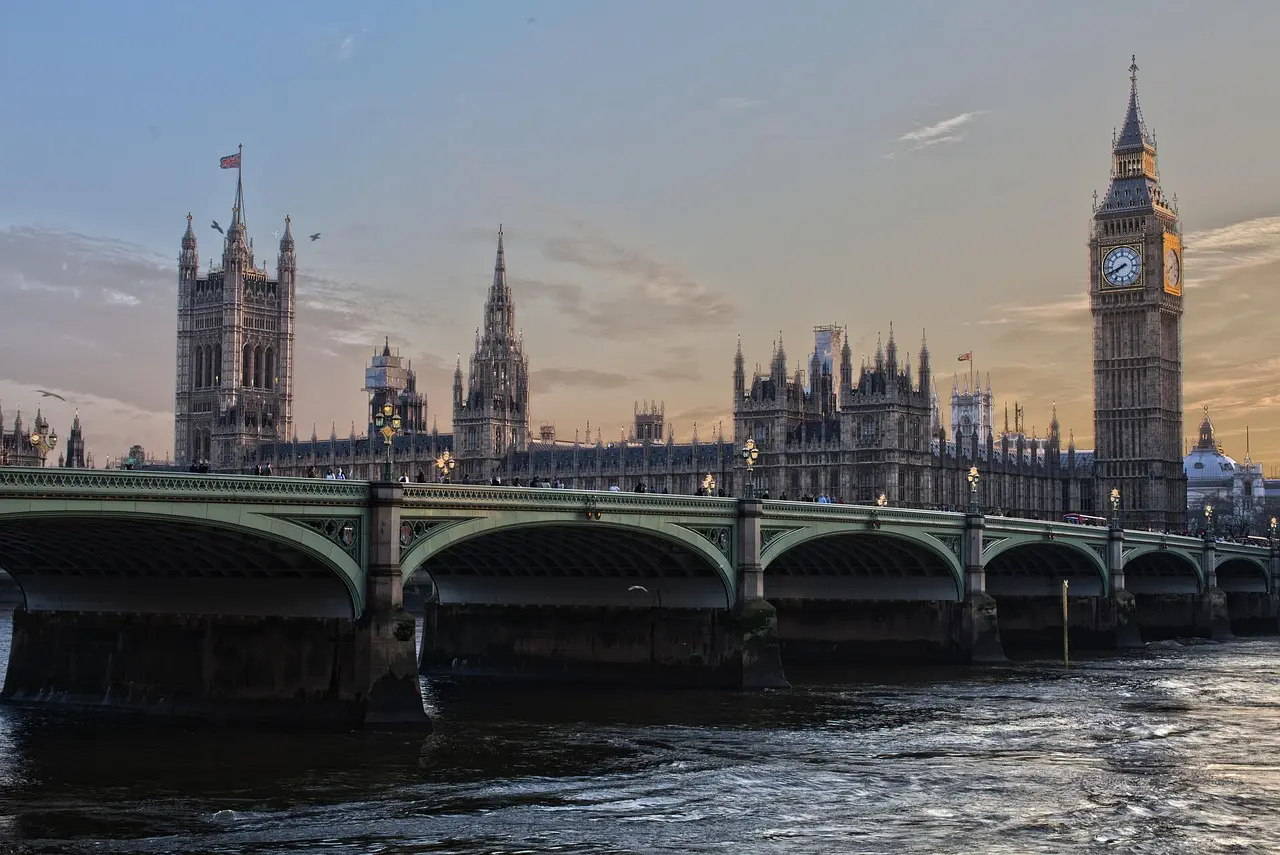
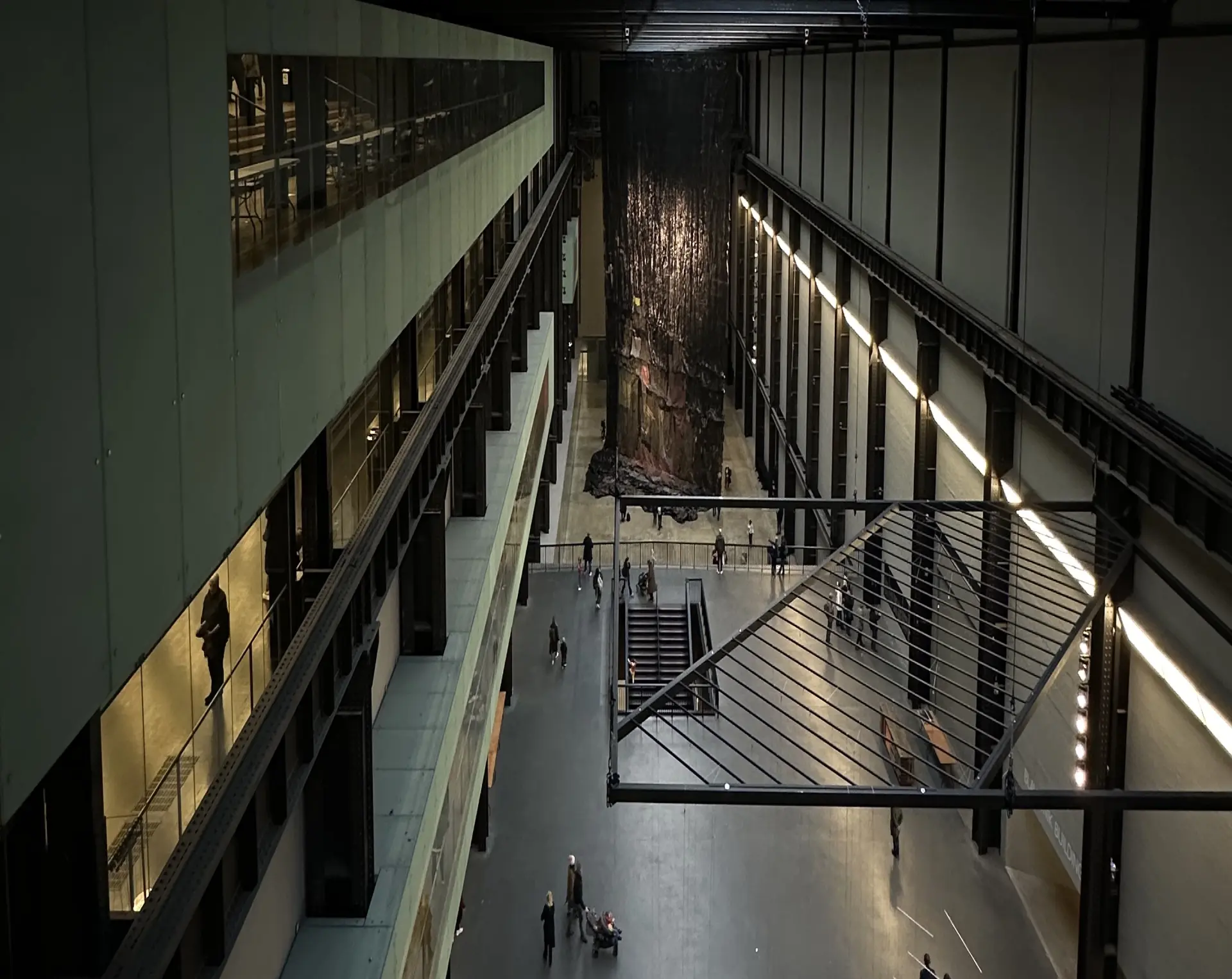
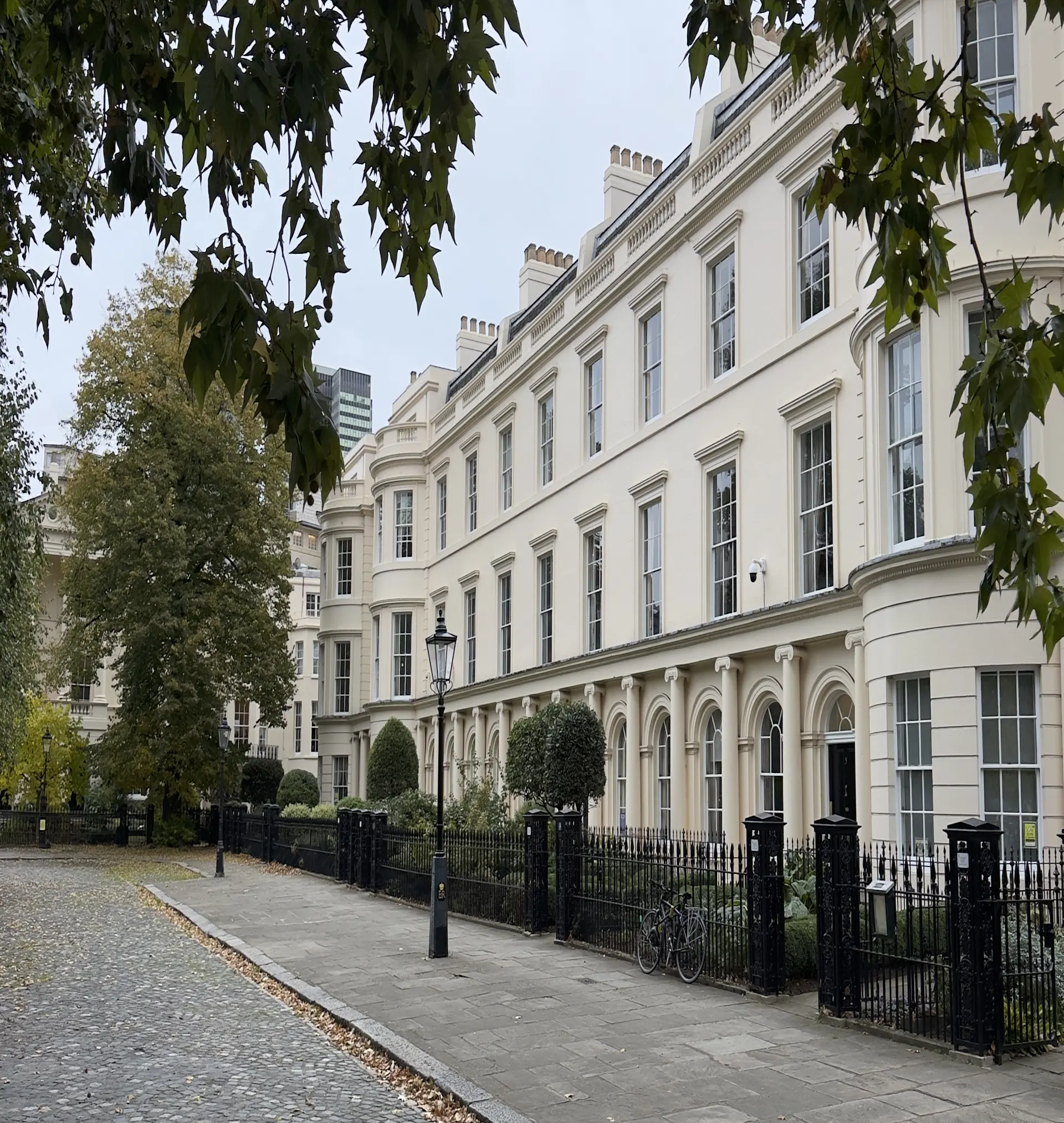
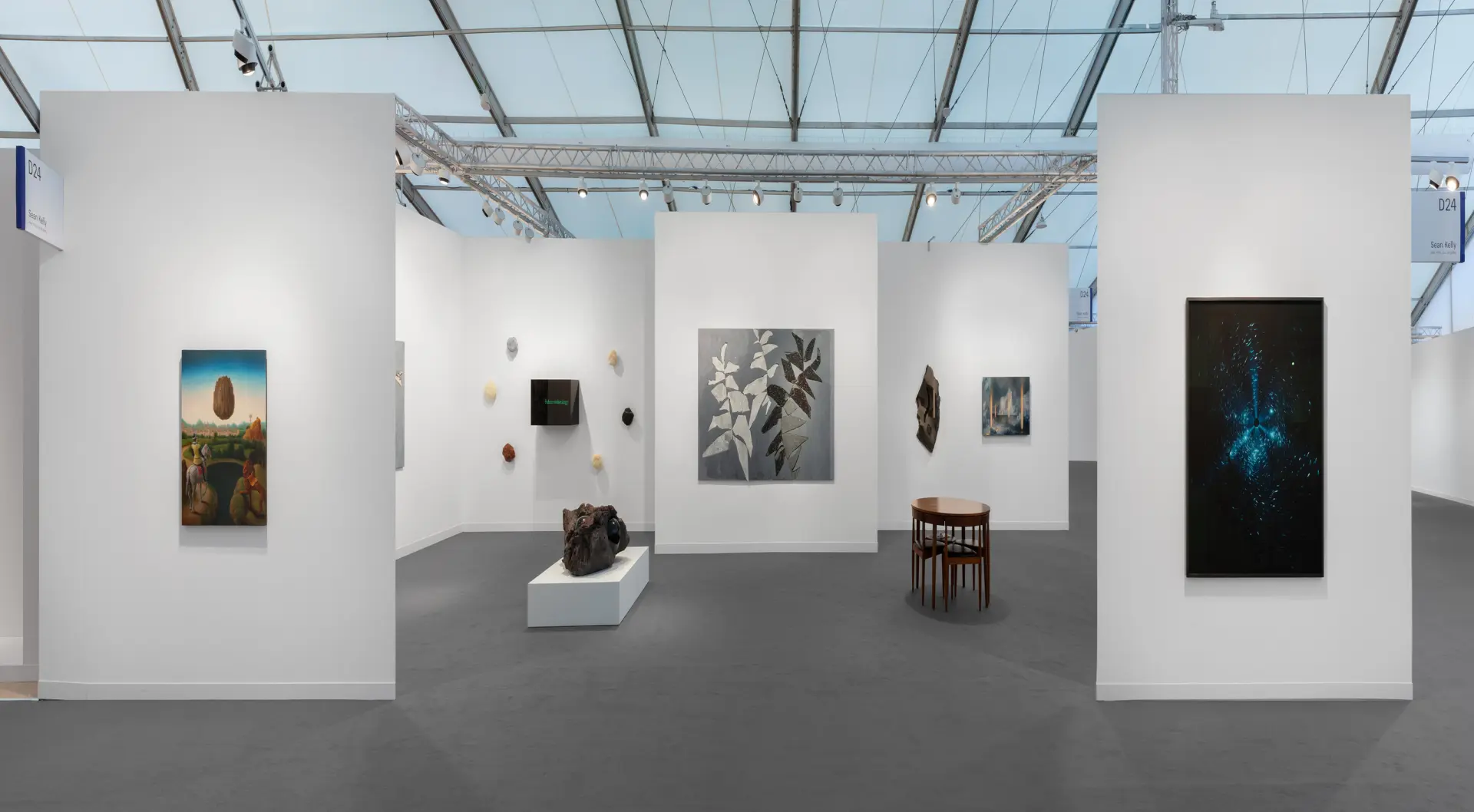
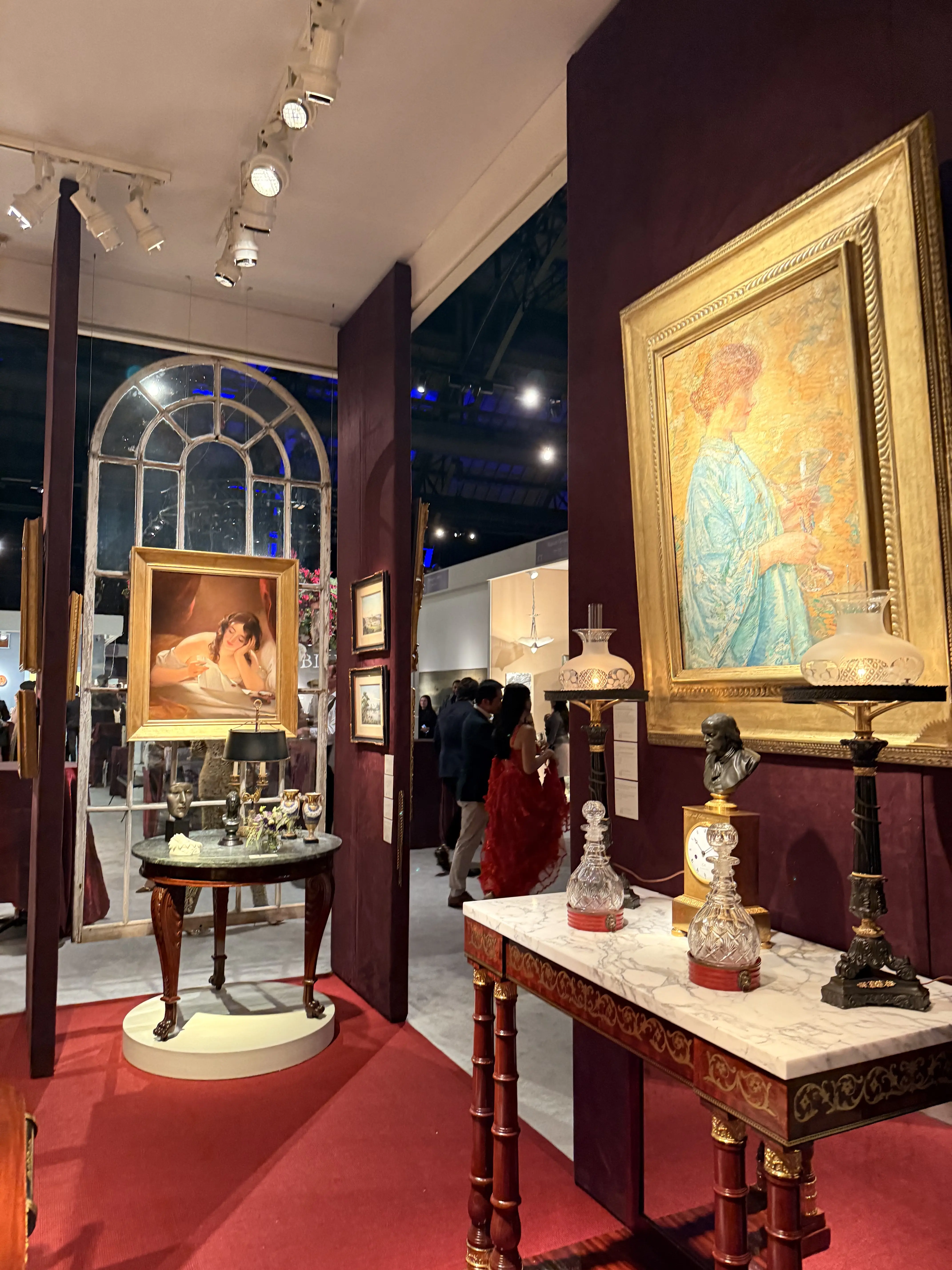
Frieze London and Frieze Masters stand as the dual pillars of the British art market, transforming Regent’s Park into a global epicenter of cultural capital. Launched in 2003, Frieze London focuses on the immediate contemporary pulse, while its sibling, Frieze Masters, offers a sophisticated dialogue with art history from the ancient world to the late twentieth century. Together, they create a singular destination where the frantic energy of the avant-garde meets the hushed reverence of the museum-grade. The event draws an elite cohort of international collectors and institutional curators who descend upon the capital to set the pace for the European autumn season. In this manicured parkland setting, the traditional boundaries of the art market are blurred, creating an editorial landscape that is as physically sprawling as it is intellectually rigorous.
The architectural footprint is divided between two monumental temporary structures, linked by the Frieze Sculpture park which serves as a public gateway to the fair’s interior. Beyond the main galleries, the Focus sector at Frieze London provides a platform for younger spaces, while the Stand Out sector at Frieze Masters challenges the traditional categorization of decorative arts. The fair also hosts the Frieze Masters Talks, a series of curated conversations where contemporary artists discuss the historical works that inform their own practice. This season, the introduction of a dedicated section for artist-led organizations highlights the evolving nature of institutional support within the commercial sphere. The audience is as curated as the booths, ensuring that every interaction within the tents feels like a calculated move on the global cultural stage.
For ArtAtlas travelers, the secret to surviving the London marathon is a strategic retreat into the VIP lounges before the midday crowds saturate the park. Movement is an art form in the capital, so avoid the crawl of the Marylebone Road by prioritizing early morning viewing hours when the natural light in the tents is at its most forgiving. Beyond the fairgrounds, the most sophisticated collectors allocate time for private foundations like the Zabludowicz Collection or the Newport Street Gallery, which offer a more intimate look at monumental private patronage. For an under-the-radar experience, the Sir John Soane’s Museum provides a haunting, architectural labyrinth of antiquities that perfectly mirrors the historical depth of Frieze Masters. Remember that where you were the night before at a private dinner in Mayfair is just as vital as your morning viewing, as the real intelligence is often traded over a late-night Scotch before it ever hits the stand.
To navigate the city like a blue-chip insider, you must balance the historic gravity of Mayfair with the pulse-racing grit of the East End. Begin your morning in the serene, white-walled sanctuary of Sadie Coles HQ or Thaddaeus Ropac, then swap the predictable tourist traps for a table at Mount St. Restaurant, where the art on the walls is as museum-caliber as the crowd. By the time the sun dips over the Thames, leave the West End behind for Shoreditch, where the scent of bespoke tailoring meets the industrial edge of the Whitechapel Gallery. This is a city that performs a flawless tightrope walk between the legacy of the Old Masters at Tate Britain and the unapologetic, digital-first future of the Serpentine. In a town this exclusive, you should be as polished as your acquisition strategy; because here, being "common" is the only faux pas you truly can’t afford.