R1Chardon
Food & Drinks
37 Rue des Arènes, 13200 Arles, France
Les Rencontres d'Arles is the world's oldest and most authoritative photography festival, founded in 1970 in the Roman city of Arles by photographer Lucien Clergue, writer Michel Tournier, and historian Jean-Maurice Rouquette. It operates on a scale that no other photography event has attempted to replicate: forty exhibitions across more than thirty venues,...
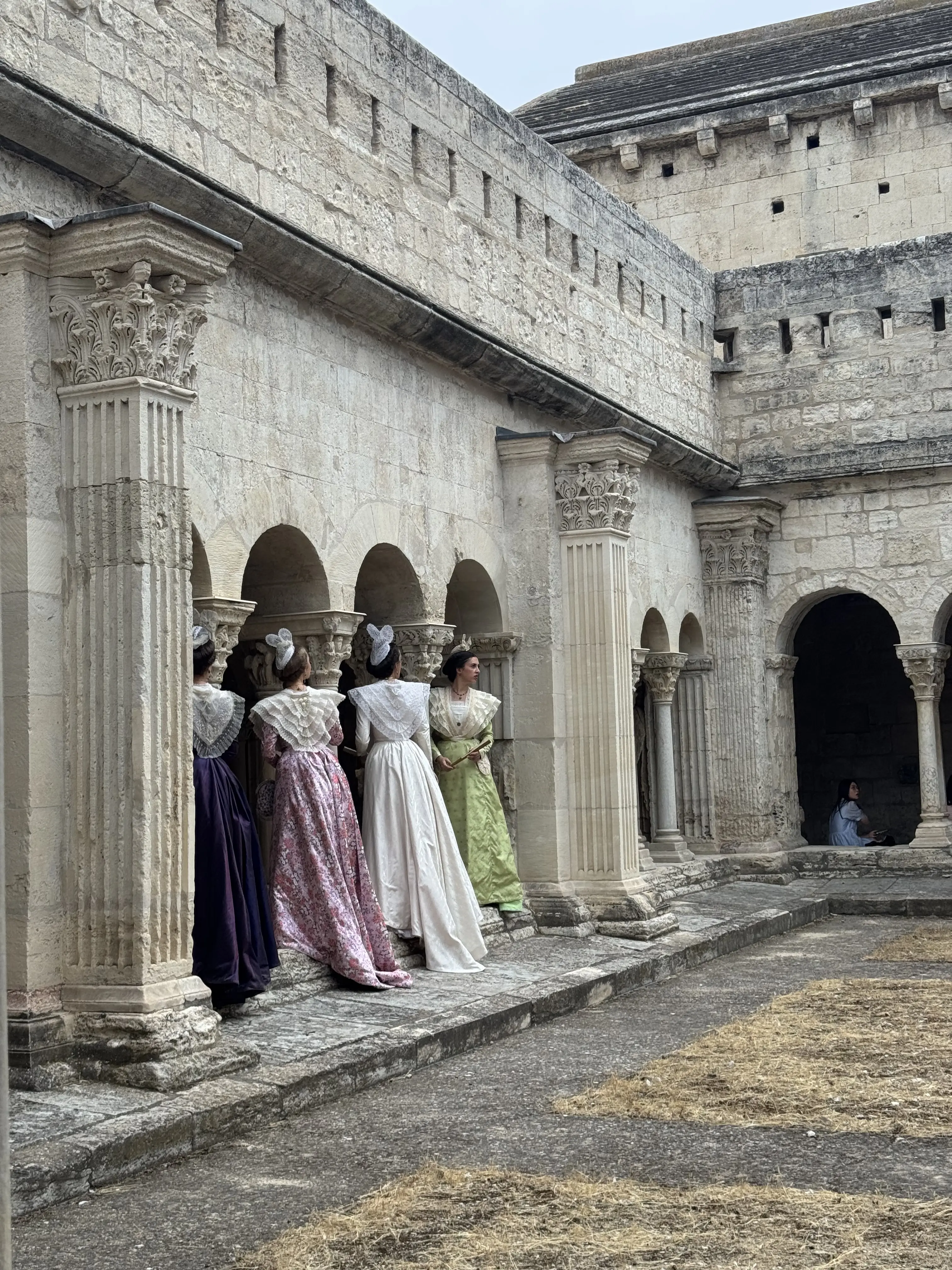
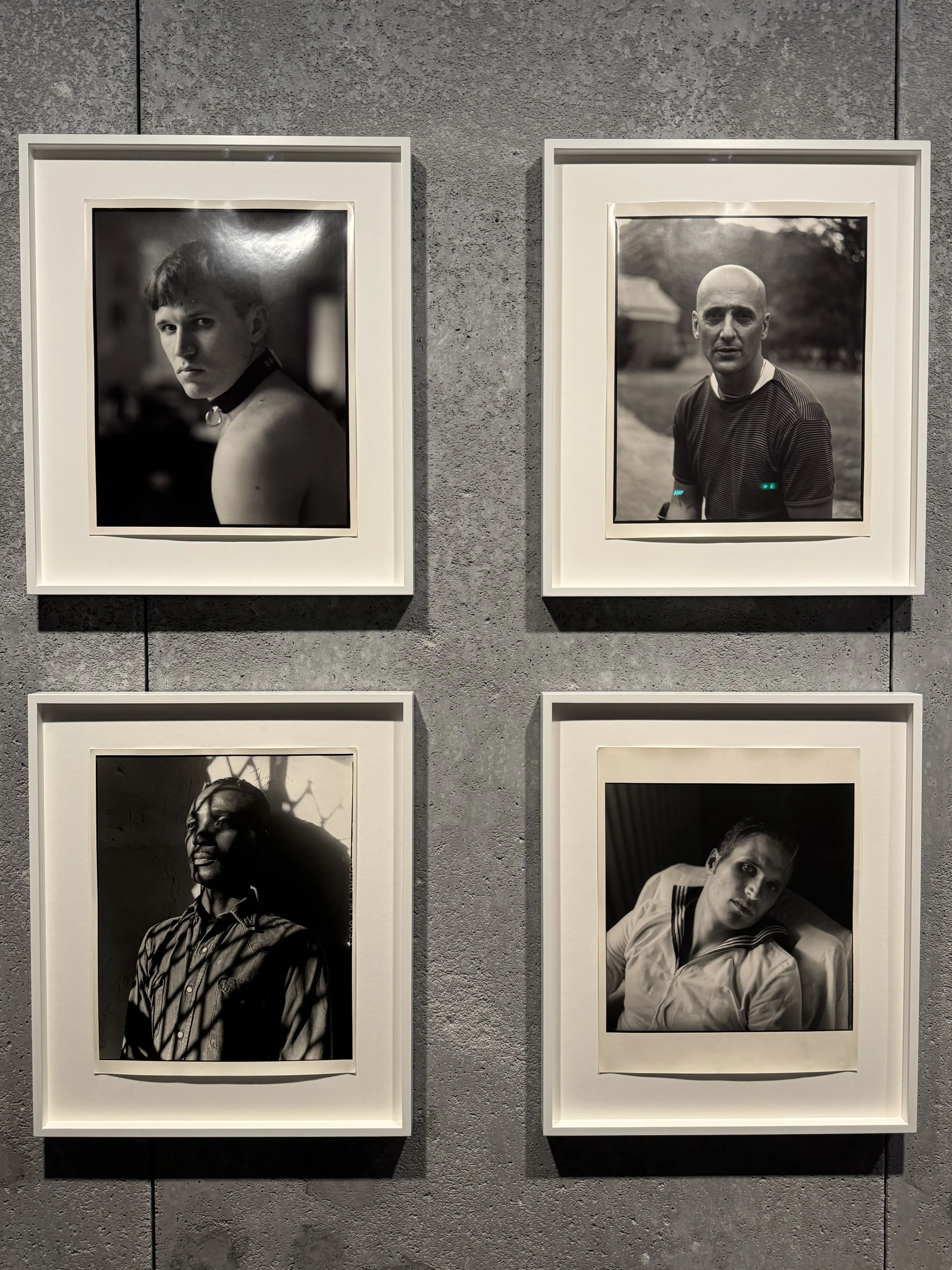
Les Rencontres d'Arles is the world's oldest and most authoritative photography festival, founded in 1970 in the Roman city of Arles by photographer Lucien Clergue, writer Michel Tournier, and historian Jean-Maurice Rouquette. It operates on a scale that no other photography event has attempted to replicate: forty exhibitions across more than thirty venues, from 1st-century Roman amphitheatres and 12th-century cloisters to vast former railway sheds, transforming an entire city into a single, sprawling argument about what photography is and what it can do. The audience it draws is not the art fair crowd in search of acquisition targets, but a more intellectually restless cohort: curators building thematic arguments, editors orienting themselves for the season, and photographers watching where the critical conversation is moving.
The festival organises its programme into thematic chapters rather than commercial sectors, which tells you something about its priorities. Alongside the main exhibitions runs the Louis Roederer Foundation Discovery Award, the most credible launchpad for emerging photography in the world, and the Arles Books Fair, which assembles nearly eighty international publishing houses and is essential for anyone tracking where the medium is going on the page. The Théâtre Antique hosts evening projections and award presentations under an open sky, a setting that would feel theatrical if it were not so plainly ancient. Portfolio reviews, talks, and panel discussions fill the margins of the day, and the social intelligence gathered the night before at private dinners is, frankly, just as vital as anything you will see on the walls.
For ArtAtlas travelers, Opening Week in early July is the professional window: dense, industry-facing, and worth the heat. Luma Arles, the Frank Gehry-designed cultural campus anchoring the Parc des Ateliers, is non-negotiable both as an institution and as an orientation point from which the rest of the festival unfolds logically. Those who can return in September will find the same exhibitions, considerably fewer people, and the quiet satisfaction of having made the smarter choice.
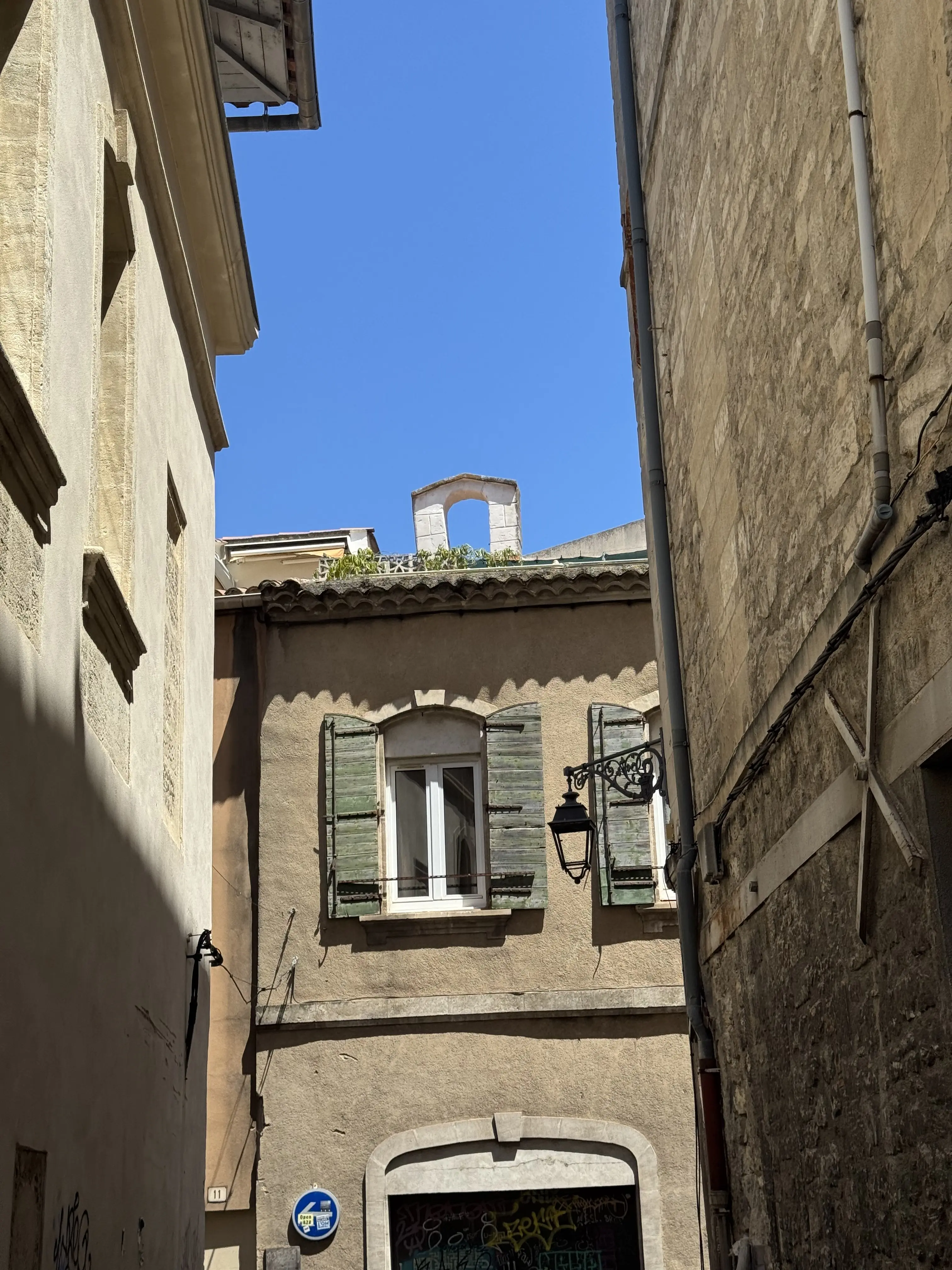
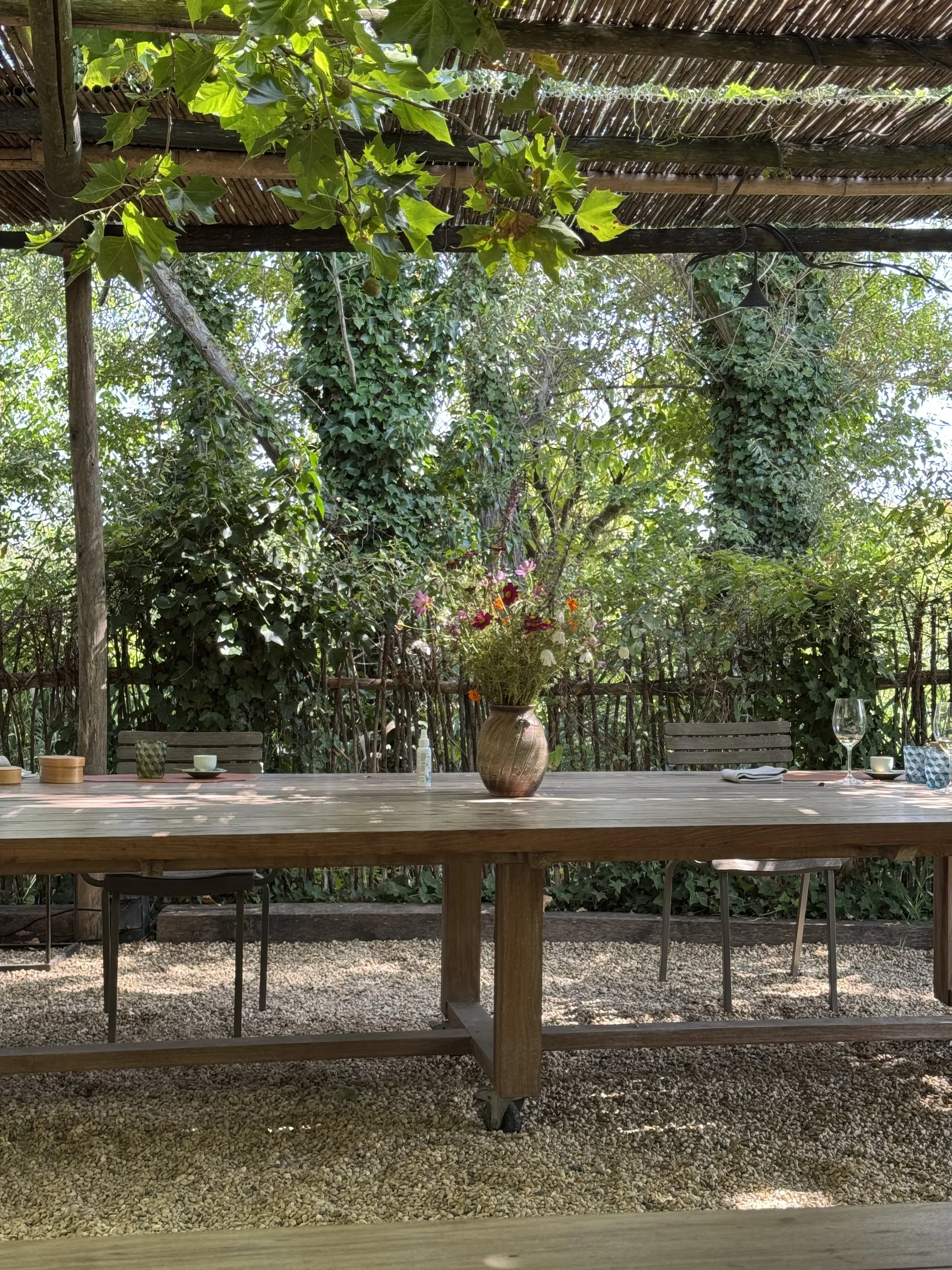
Arles is a small city in Provence that happens to contain a Roman amphitheatre, a 12th-century cloister, a Gehry tower, and one of the world's great photography festivals, an accumulation that would feel improbable anywhere else but here reads as simply how things are. Stay in the historic centre, within walking distance of the Place du Forum; the city is small enough that location is less a convenience than a social contract with everyone else attending. To escape the city and its heat for something more deeply rooted in the landscape, La Chassagnette, the Michelin-starred farmhouse thirty minutes south in the Camargue, runs on produce from its own three-hectare organic garden and operates on the quiet assumption that you had the sense to book in advance.