R1Chez Julien
Food & Drinks
1 Rue du Pont Louis-Philippe, 75004 Paris, France
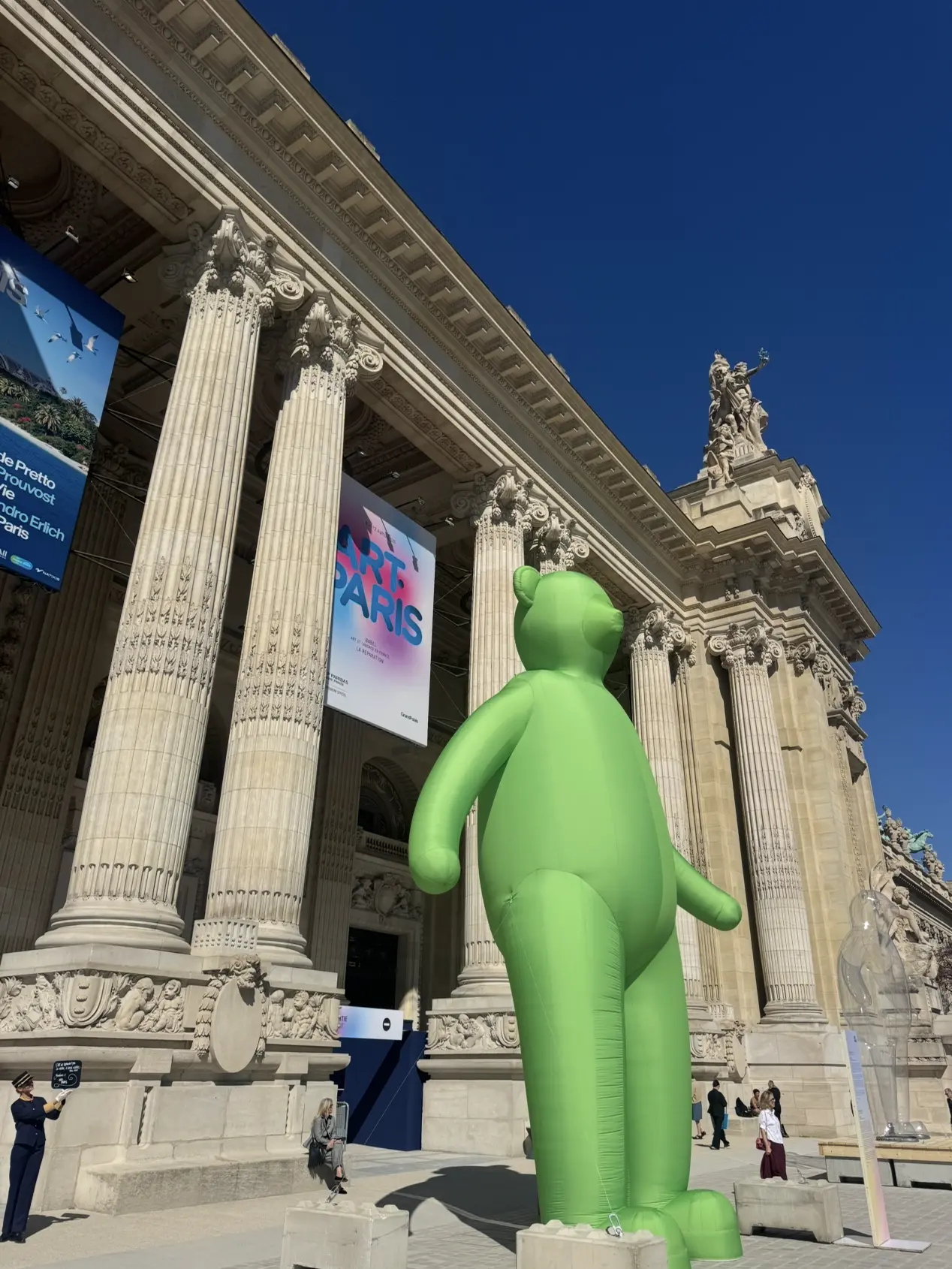
Paris Photo, the world's largest international art fair dedicated to the photographic medium, has anchored itself at Paris's Grand Palais every November since its founding in 1997, establishing the French capital as the uncontested global headquarters for the photographic image. Born at the precise moment when institutions began treating photography as a ful...
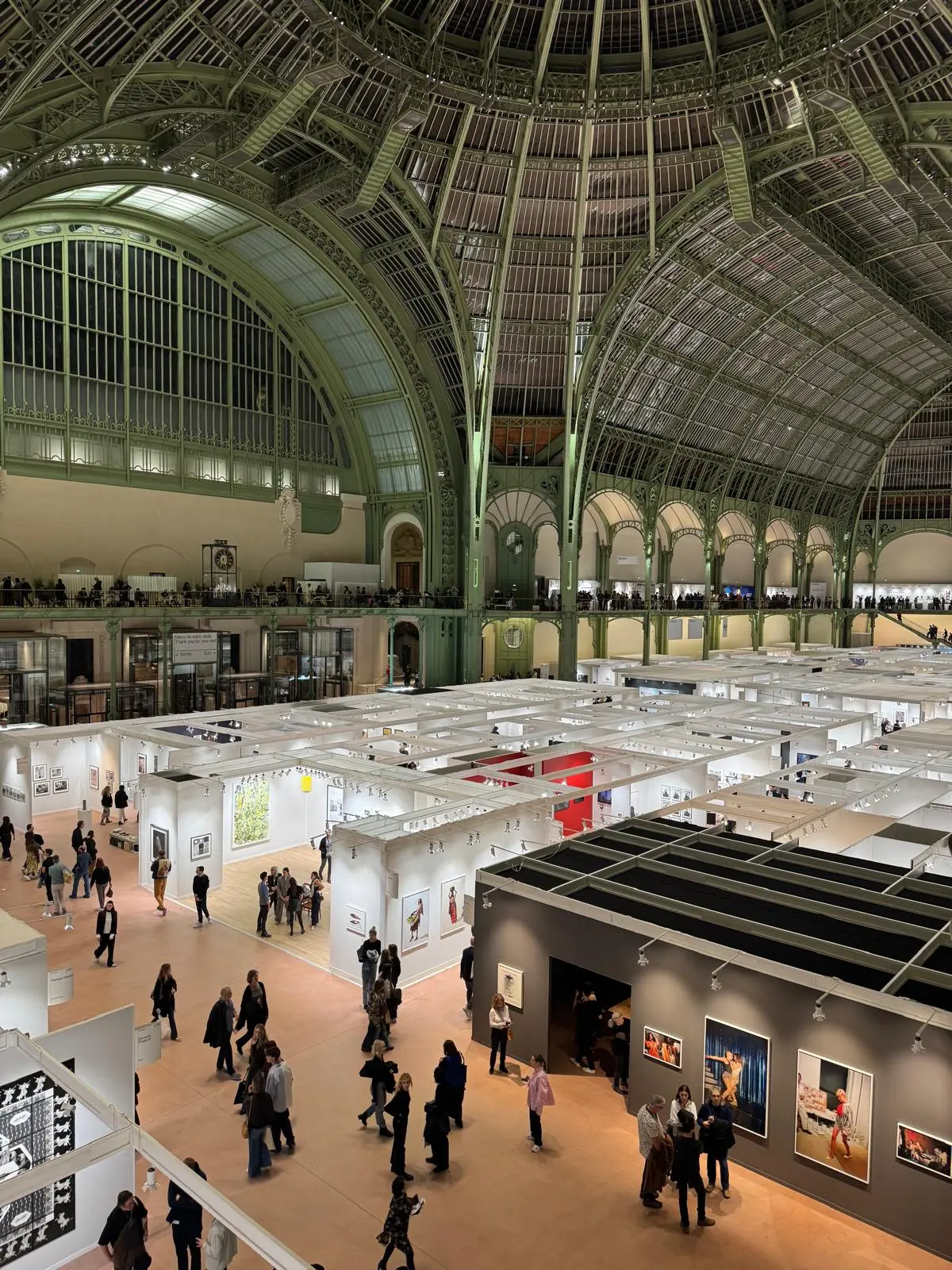
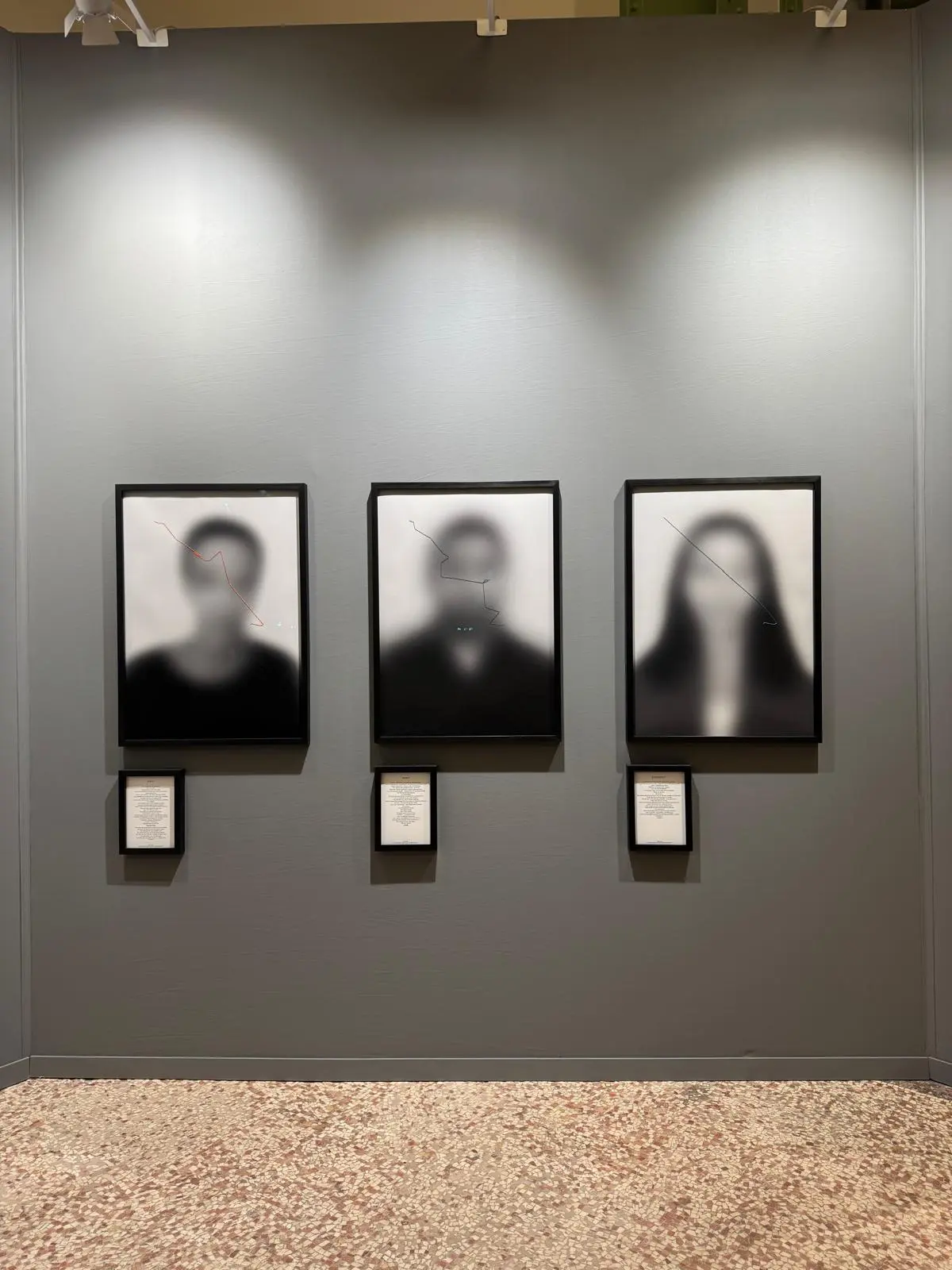
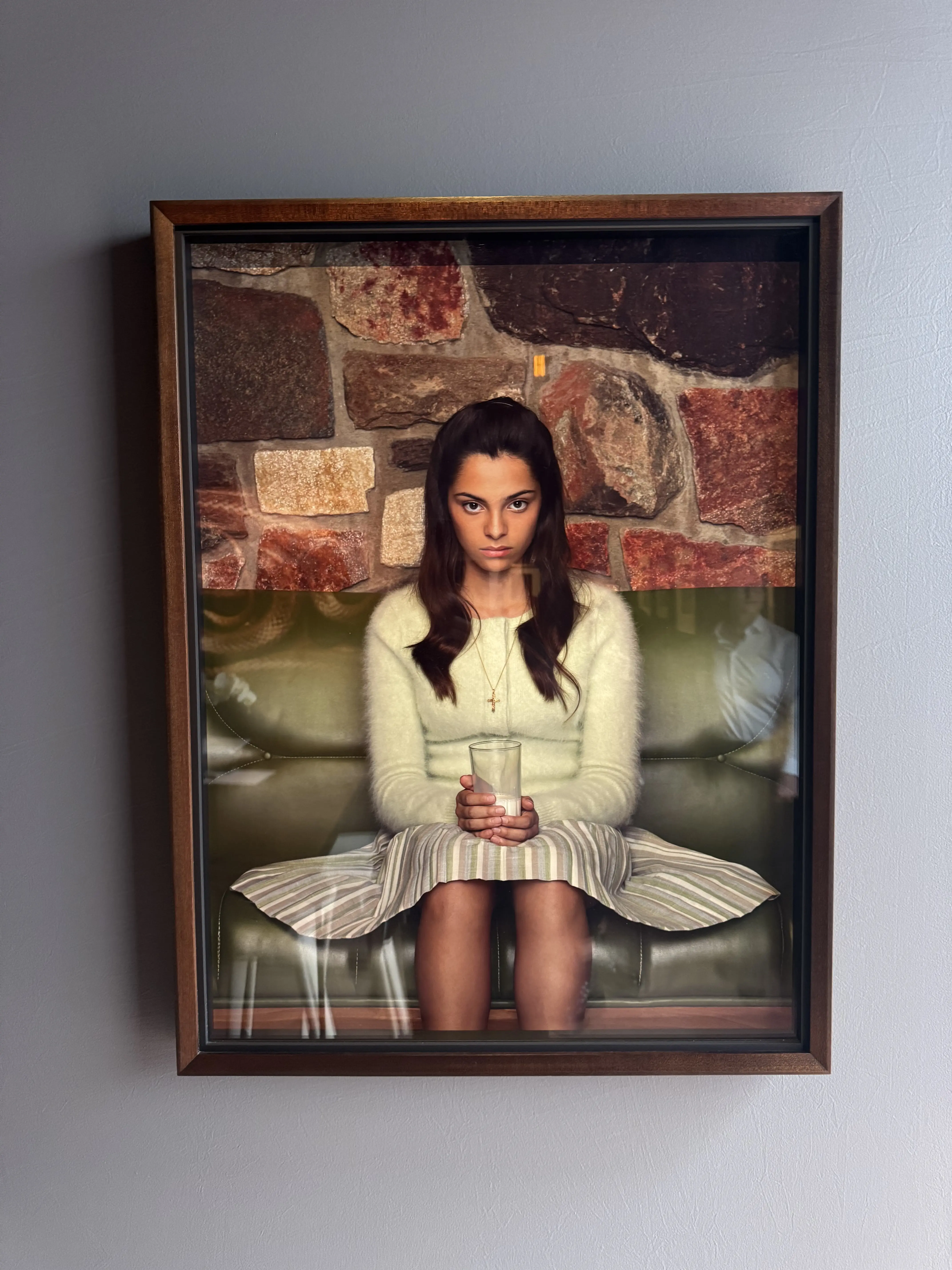
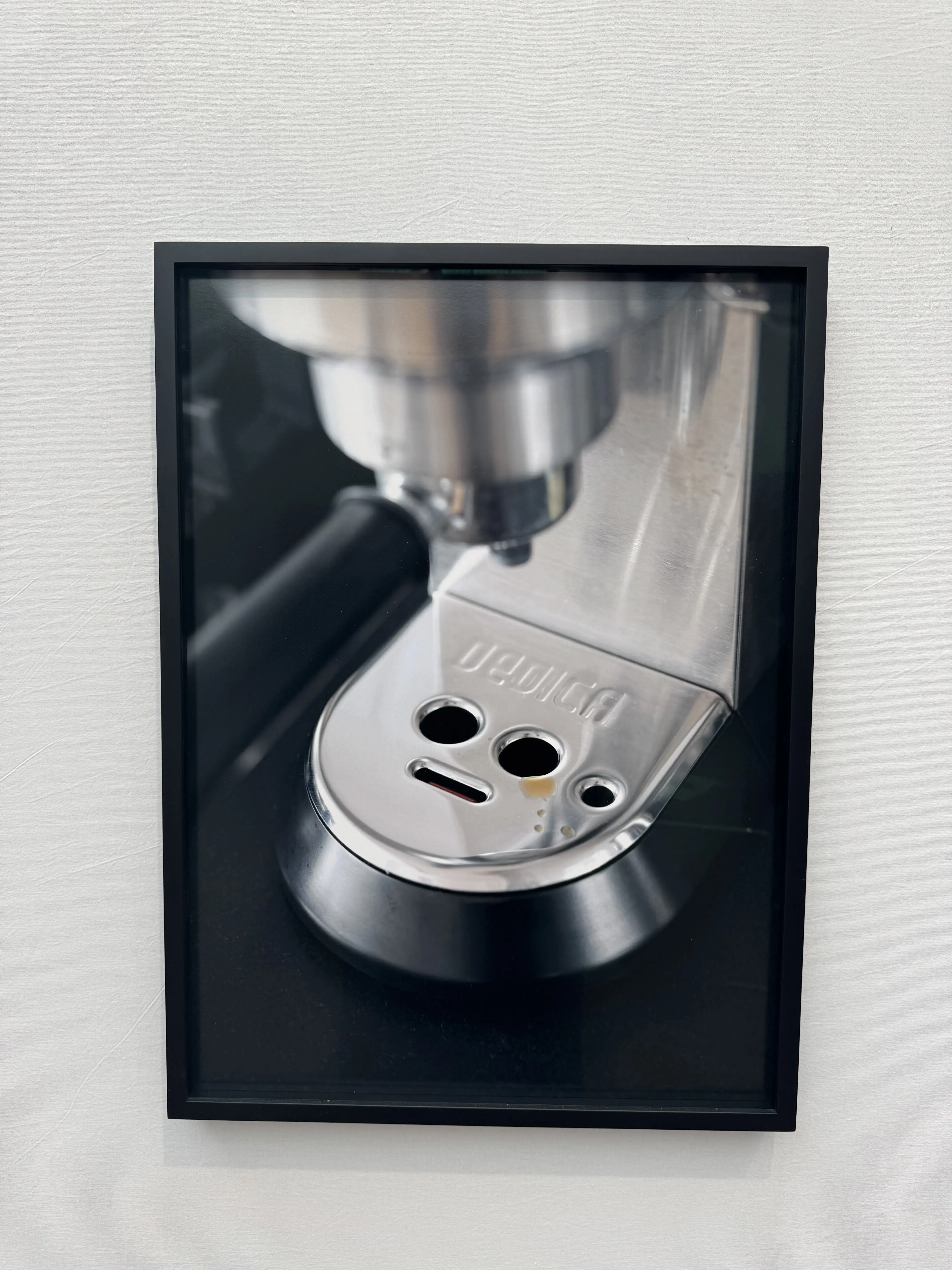
Paris Photo, the world's largest international art fair dedicated to the photographic medium, has anchored itself at Paris's Grand Palais every November since its founding in 1997, establishing the French capital as the uncontested global headquarters for the photographic image. Born at the precise moment when institutions began treating photography as a full peer of painting and sculpture, the fair crystallized a conversation that collectors and curators had been conducting in near-silence for decades. Its audience does not arrive to be persuaded of photography's canonical status; it arrives to argue about what the medium will look like in ten years.
The fair's architecture unfolds across several distinct sectors: Galleries brings together historical and contemporary photography from the world's most consequential dealers; Editions is devoted to photobooks, prints, and multiples, insisting that the photographic object deserves the same serious attention as the single framed work; Prismes presents large-scale immersive installations that push the spatial ambitions of the medium; and Plus offers a curated entry point for emerging galleries testing the market's temperature. The Conversations programme runs in parallel across the fair's four days, a dense schedule of talks and panels with artists, curators, and historians whose proximity to one another in the Grand Palais generates the kind of productive friction money cannot manufacture elsewhere.
For ArtAtlas travelers, Paris Photo functions as the year's most precise calibration point: the works on view, the prices held firm, and the galleries that choose to show here collectively tell you everything you need to know about where photographic collecting is actually heading. Arrive with at least two institutional appointments already confirmed: the Fondation Henri Cartier-Bresson in the Marais offers the ideal counterpoint to the fair's commercial intensity, intimate and rigorous in a way the Grand Palais cannot be, while La Maison Européenne de la Photographie reliably programs exhibitions calibrated to speak directly to the fair's broader intellectual concerns. And it bears stating plainly: the social intelligence gathered at private dinners the night before any major opening is just as vital as anything you will encounter under that magnificent nave.
We recommend staying in Le Marais or Saint-Germain-des-Prés, not within symbolic distance of the Grand Palais itself. The week's real choreography unfolds in the geographic center of Paris, from morning espresso with a gallerist to a late-night debrief that reliably outlasts the wine list. Casa Bini draws the kind of table that has attended every edition of the fair and still arrives with genuine opinions; La Méditerranée is where discretion becomes its own form of declaration. Paris is the only city on the art world's circuit that treats every fair week as a mild inconvenience to its own permanent cultural intensity, and it is, as always, entirely correct.