R1Mizunara: The Library
Food & Drinks
4/F, 361-363 Lockhart Rd, Wan Chai, Hong Kong
Art Basel Hong Kong launched in 2013, growing from Art HK, which had been held since 2008 before being acquired by MCH Group to become Asia's definitive edition of the world's most authoritative art fair brand. Held each March at the Hong Kong Convention and Exhibition Centre, the fair gathers over 240 galleries from more than 40 countries and territories, w...
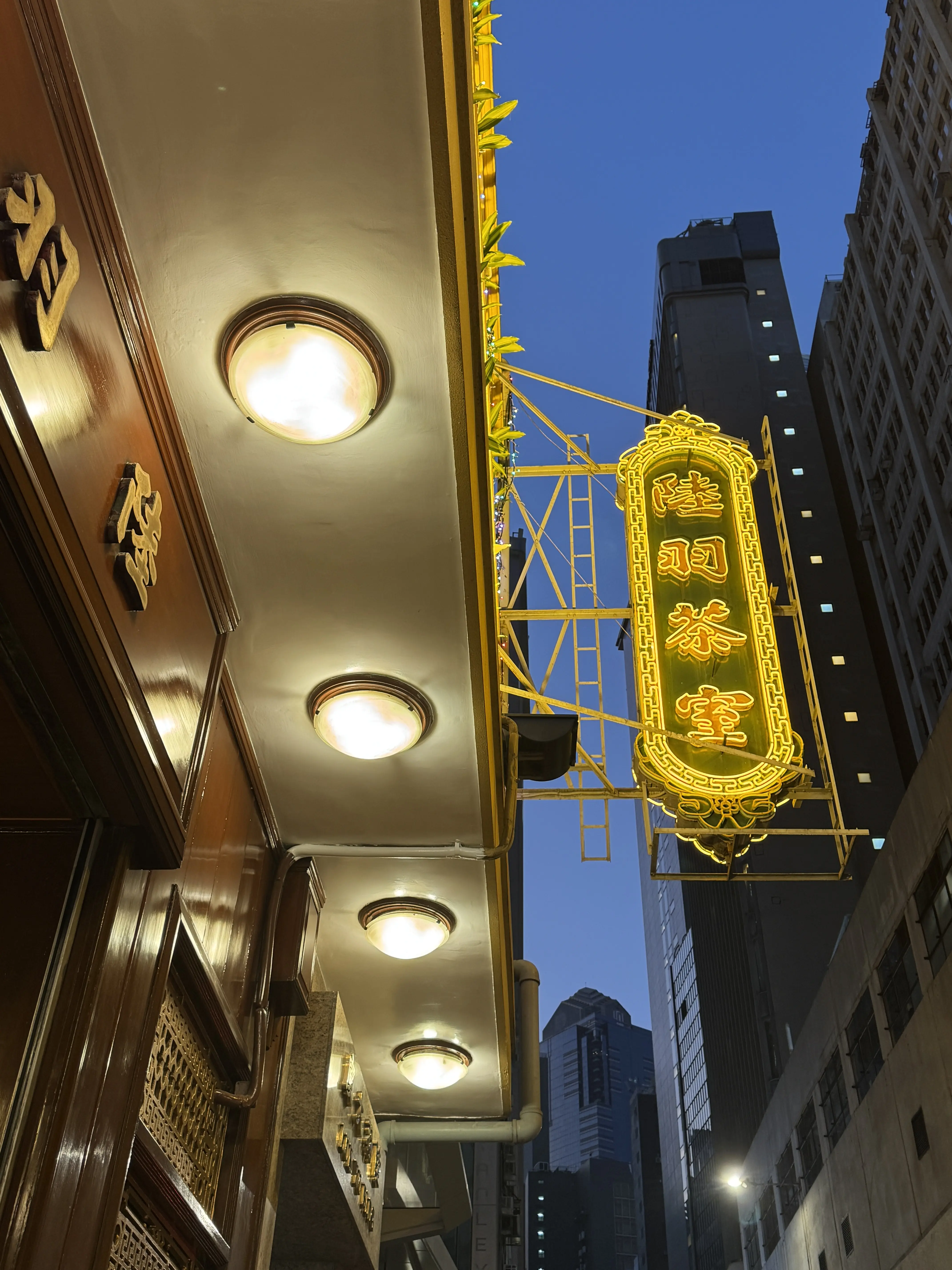
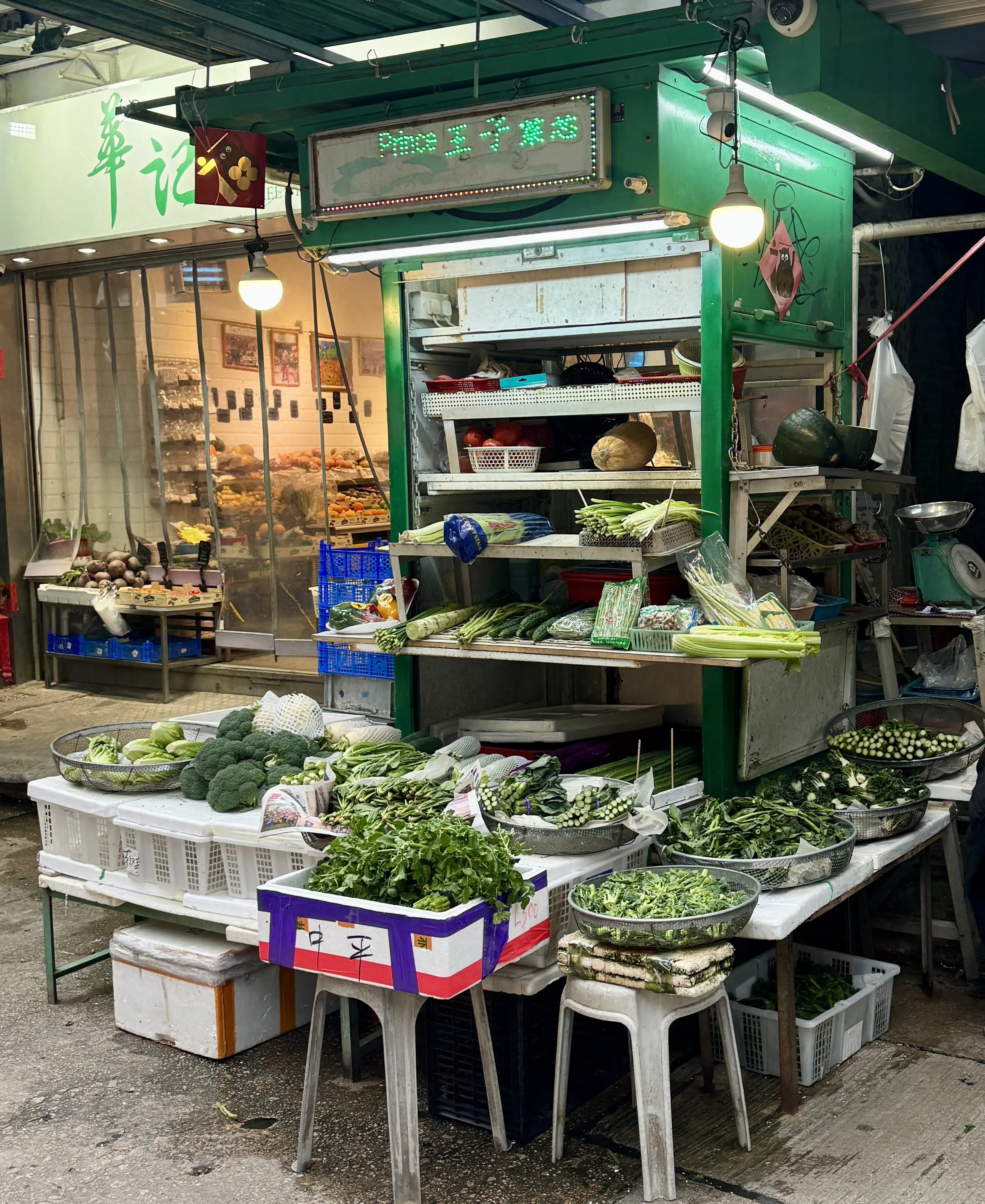
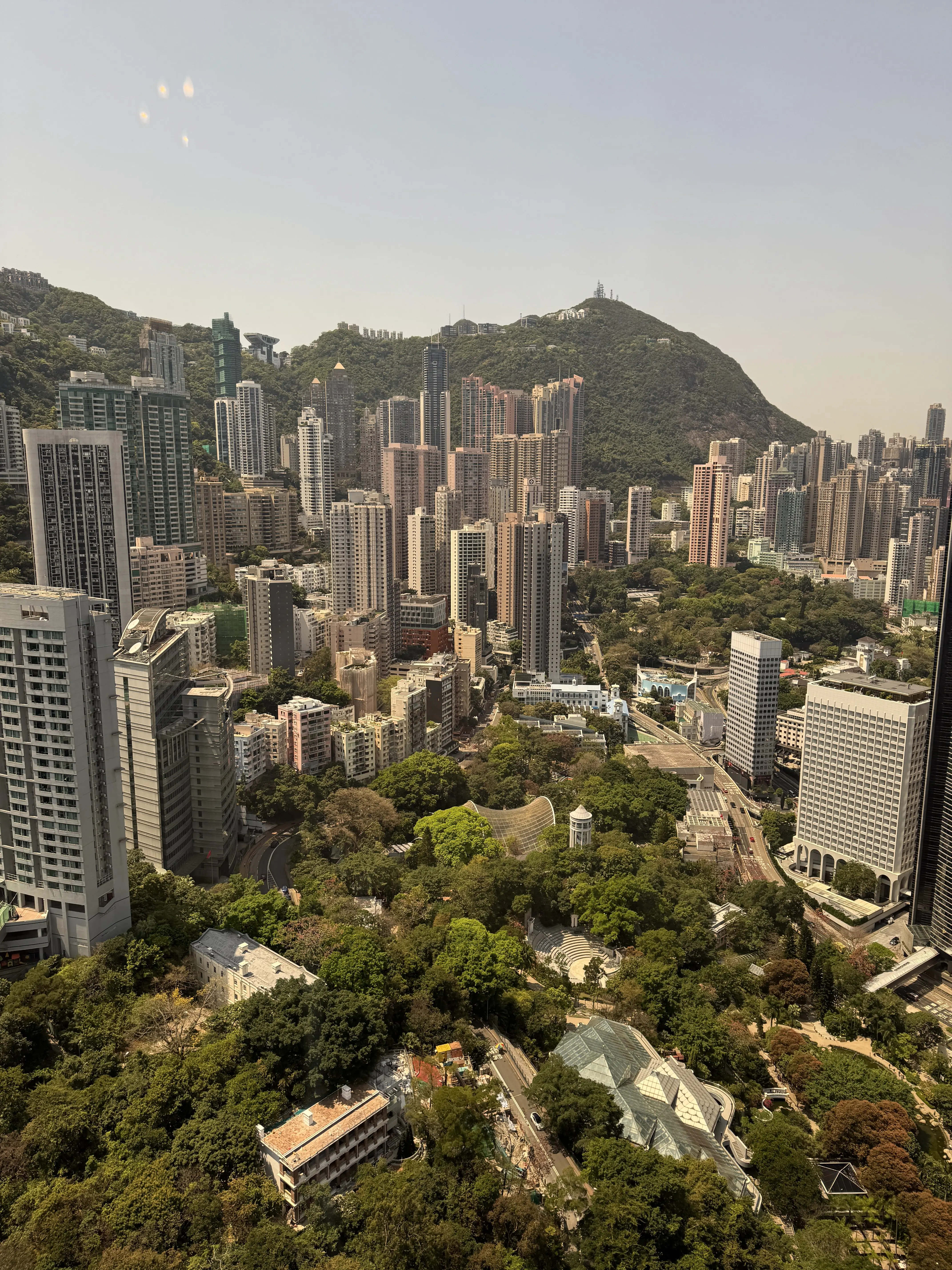
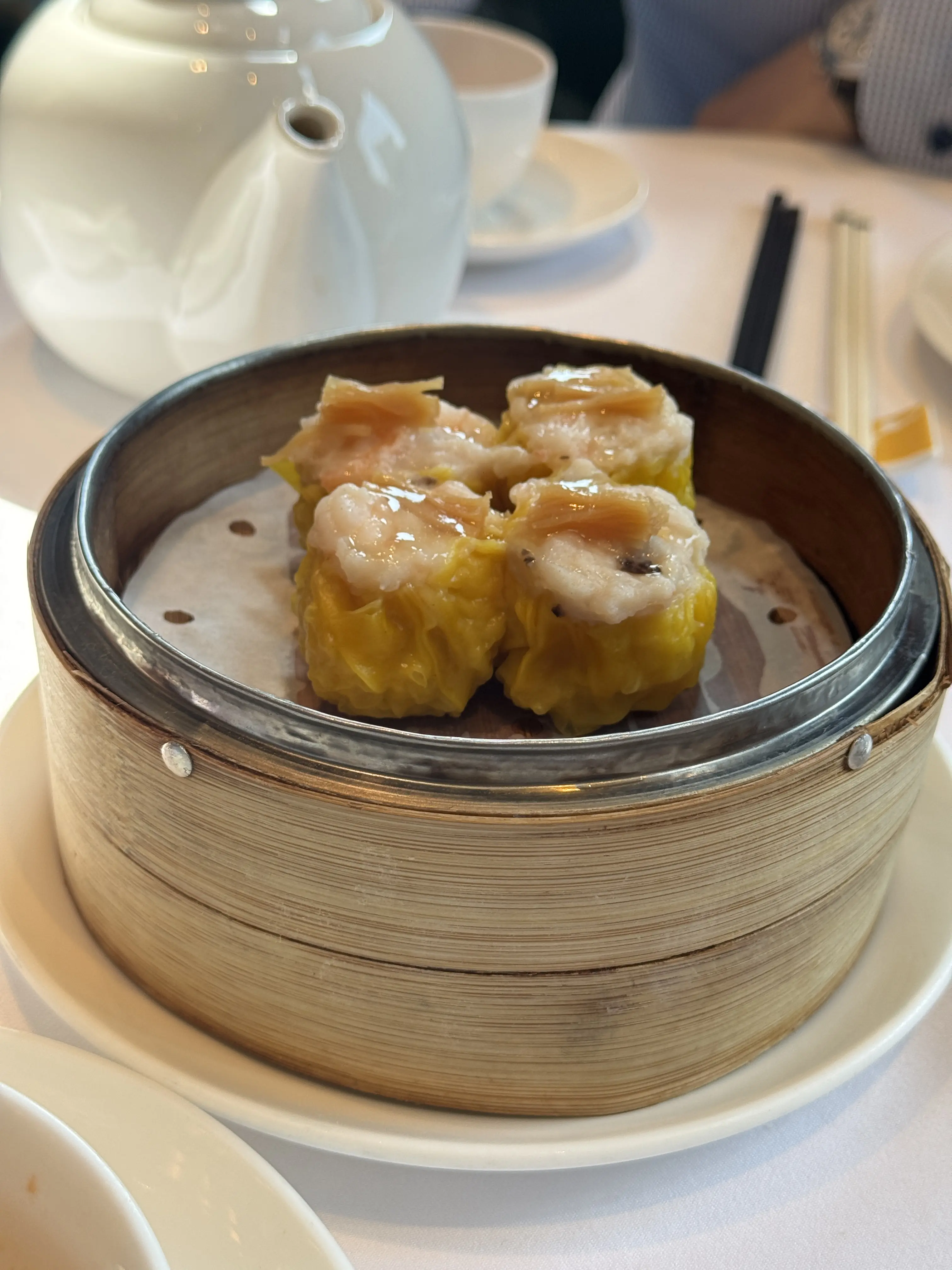
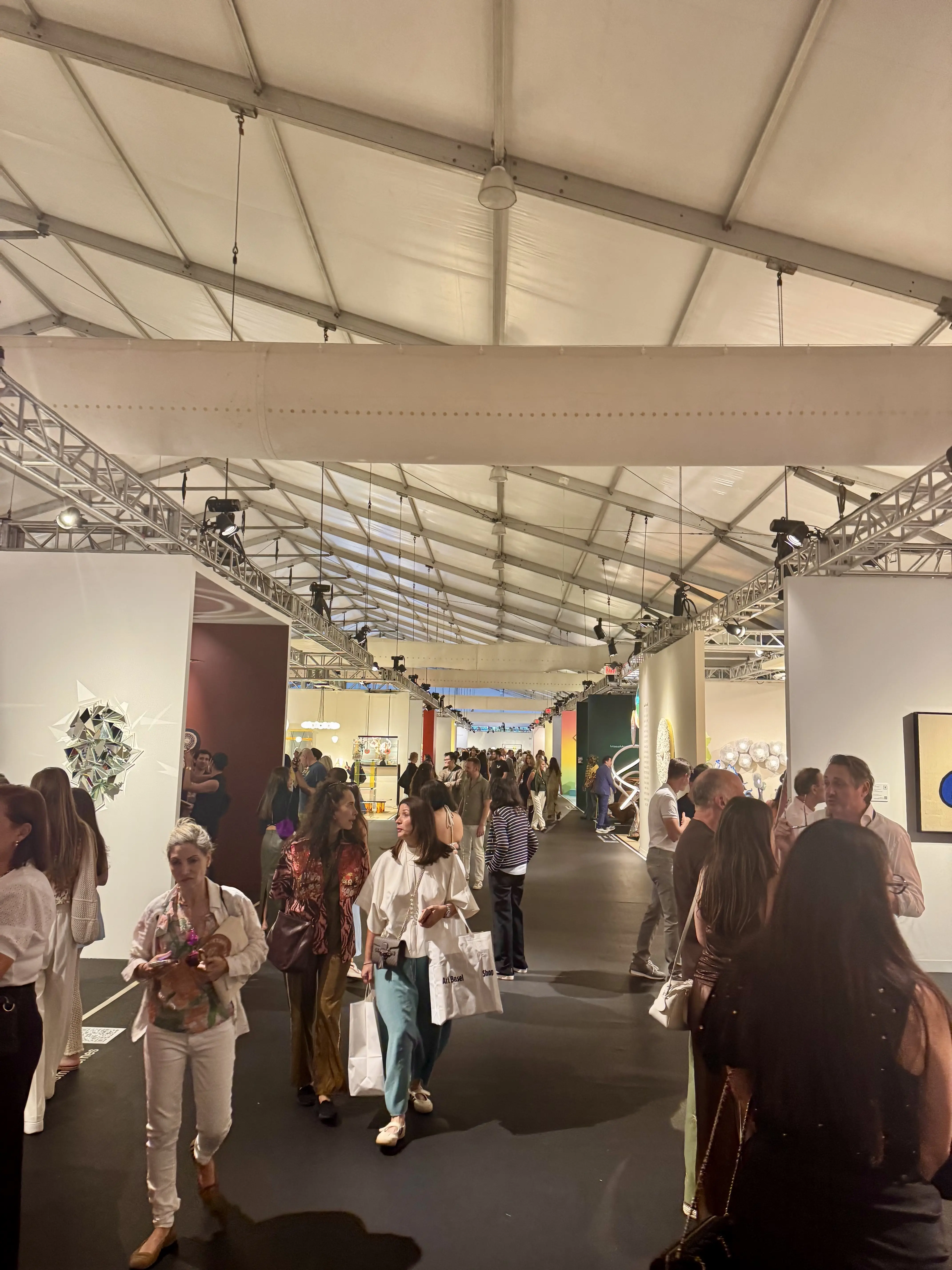
Art Basel Hong Kong launched in 2013, growing from Art HK, which had been held since 2008 before being acquired by MCH Group to become Asia's definitive edition of the world's most authoritative art fair brand. Held each March at the Hong Kong Convention and Exhibition Centre, the fair gathers over 240 galleries from more than 40 countries and territories, with more than half operating spaces across the Asia-Pacific region, a statistic that tells you exactly where the market's center of gravity now sits. Hong Kong's tax-free status, free-port heritage, and unrivalled regional connectivity are not incidental to its success: they are the architecture upon which the entire week is built.
Across its Galleries, Discoveries, Insights, Kabinett, Encounters, Echoes, Film, Conversations, and Zero 10 sectors, the fair operates as a full ecosystem rather than a simple commercial floor. Discoveries provides a focused platform for emerging galleries and artists, while Insights centers on curated projects from the Asia-Pacific region, offering the kind of historical and cross-generational depth that distinguishes serious collecting from reactive buying. Encounters, the sector dedicated to large-scale installations and performances, consistently delivers the fair's most spatially ambitious moments, and the citywide Public Program extends the week's reach well beyond the convention halls into Hong Kong's broader institutional landscape.
For ArtAtlas travelers, the Preview Days are the strategic entry point, when galleries are still candid and the most compelling works have not yet attracted a crowd or a consensus. Tai Kwun, the former Central Police Station compound reimagined as one of the city's most vital contemporary art spaces, rewards an afternoon visit for its programming, its architecture, and its refusal to behave like a conventional institution, and the Hong Kong Visual Arts Centre in Kennedy Town, tucked inside a colonial-era building, is the kind of quietly serious space that makes you understand the city's relationship with art on its own terms rather than the fair's. The most commercially significant conversations of the week begin at a private dinner the night before the Previews, and the person who shows up best informed is invariably the one who knew which dinner to attend.
Central is your base, a short walk from the HKCEC and the social center of Hong Kong art week in every meaningful sense. China Tang at the Landmark Atrium is the Art Deco institution conceived by the late Sir David Tang, where 1930s Shanghai glamour meets regional Chinese cuisine spanning Canton, Beijing, and Sichuan, and the room has the particular quality of making every occasion feel like it was worth getting dressed for. Lau Haa Hot Pot in Causeway Bay is the sprawling retro-themed institution that transports you directly to 1970s Hong Kong, with over 20 soup bases and a room so unapologetically itself that it makes every minimalist restaurant in a five-mile radius look slightly insecure, while Mizunara: The Library in Wan Chai, with over 700 bottles and a strict no-phones atmosphere, is the Japanese whisky bar that has no interest in being discovered and is therefore exactly worth finding. Hong Kong operates at a register entirely its own, and the only appropriate response is to match its pace, trust your eye, and leave with proof that you were paying attention.